A Beginner's Guide to Functional Strength Training: TRX, Kettlebells, and More
Walking into a fitness facility for the first time can feel overwhelming. It is completely normal to feel unsure when looking at nylon straps hanging from the ceiling or iron weights shaped like cannonballs. For adults and beginners in Lebanon, NH and the Upper Valley, stepping into the weight room should feel exciting and accessible, not intimidating.
Understanding how to use these unique tools is the first step toward building a sustainable, enjoyable exercise routine. This is where beginner functional strength training comes in. Instead of sitting on large machines that isolate single muscles, this approach trains your entire body to work together as a coordinated unit.
Learning about these training tools demystifies the gym environment. By exploring how these pieces of equipment work, you can walk into your next workout with confidence. Understanding these tools prepares you to move better, build muscular strength, and fully participate in your local community wellness center.
Understanding Beginner Functional Strength Training
Functional strength training focuses on exercises that directly mimic the movements you perform in your everyday life. When you pick up a heavy box from the floor, you are performing a functional squat and a lift. When you pull open a heavy commercial door, you are using your back, core, and arm muscles in a coordinated effort.
Beginner functional strength training prepares your body for these exact real-world activities. Rather than sitting on a rigid machine that supports your back and isolates your legs, functional exercises require you to support your own body weight. This engages your core muscles continuously, improving your balance, posture, and stability along with your physical strength.
This approach is highly adaptable to any fitness level. Because the movements are based on natural human mechanics, they can easily be modified to accommodate sensitive joints or limited mobility. This makes functional routines an excellent choice for individuals seeking safe, sustainable ways to stay active over the long term.
The Glossary of Functional Strength Tools
Walking into a group fitness studio often means encountering specialized equipment. Understanding what these tools are and how they support your body can help you decide which activities are right for your current fitness level.
Suspension Straps (TRX)
Many beginners ask: what is TRX suspension training? TRX stands for Total Body Resistance Exercise. The equipment consists of heavy-duty, adjustable nylon straps featuring handles and foot cradles, securely anchored to a sturdy frame or the ceiling.
Instead of lifting heavy metal plates, TRX uses gravity and your own body weight to create resistance. You hold the handles and lean forward or backward to perform various exercises, such as rows, squats, and chest presses. The most significant advantage is that you control the difficulty simply by adjusting the angle of your body. Stepping closer to the anchor point makes the exercise harder, while stepping further away makes it instantly easier.
This adjustability makes it incredibly welcoming for all experience levels. Because your feet remain planted and you are continuously supported by the straps, it provides excellent low impact strength training. If you are curious about trying this method in a supportive group setting, exploring TRX Suspension Training Classes is a wonderful way to learn the correct techniques safely.
Kettlebells
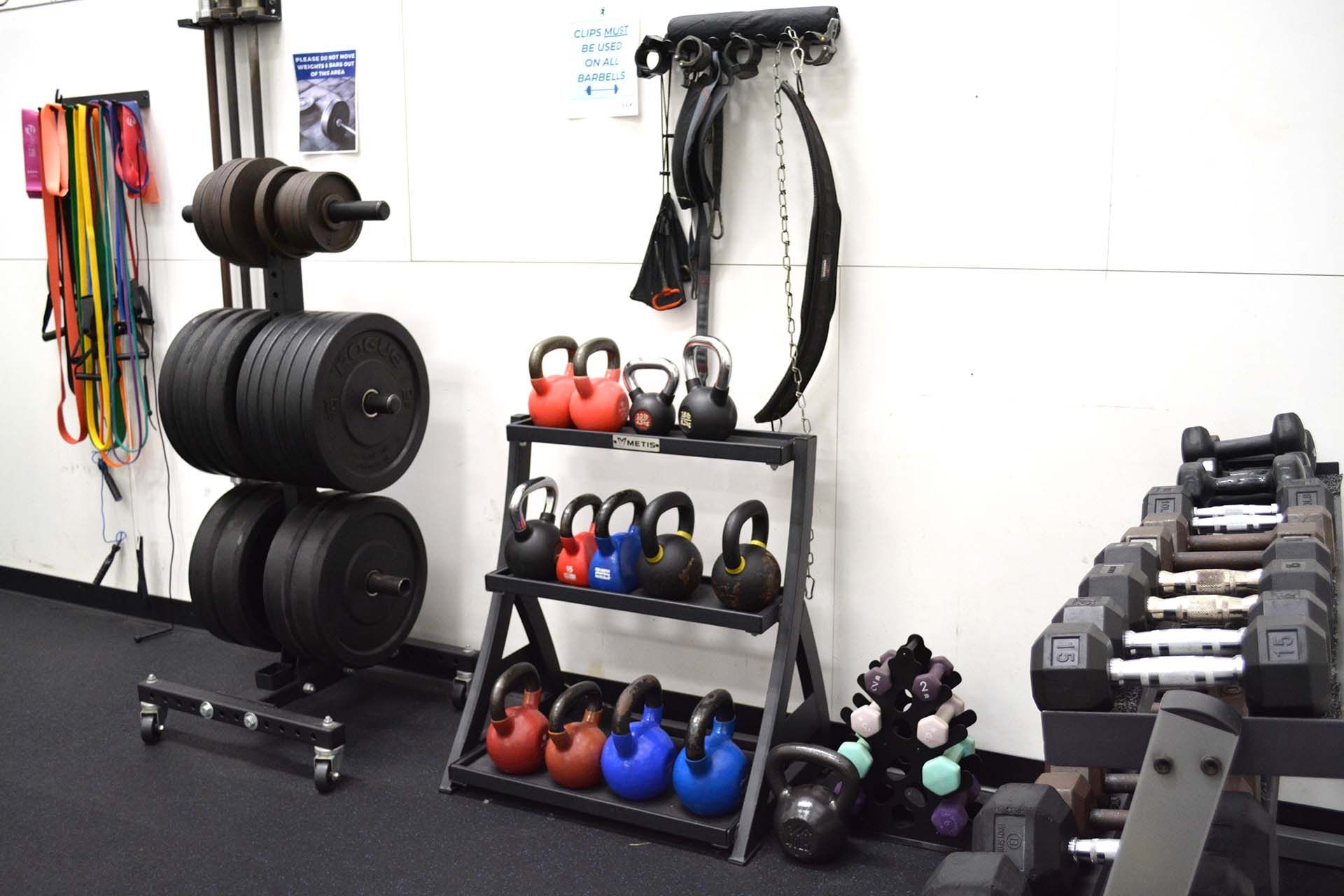
A kettlebell is a cast-iron or steel weight shaped like a cannonball with a flat bottom and a thick handle on top. Unlike a standard dumbbell, where the weight is evenly distributed on both sides of your hand, a kettlebell's center of gravity is offset.
This unique design means that when you hold a kettlebell, your stabilizing muscles have to work extra hard to control the weight. Kettlebell workouts for beginners focus on mastering foundational movements like the goblet squat, the deadlift, and the kettlebell swing. These exercises teach you how to generate power safely from your hips and legs rather than straining your lower back.
Because these movements recruit multiple muscle groups at once, they efficiently build muscular endurance while simultaneously raising your heart rate. For those in the Upper Valley looking to build core power, participating in guided Kettlebell Core Classes ensures you learn proper posture and form right from the start.
Resistance Bands
Resistance bands are thick, elastic bands that come in various lengths, shapes, and tension levels. They look incredibly simple, but they are highly effective tools for building strength, improving joint mobility, and aiding in active recovery.
When you use a band, the tension increases the further you stretch it. This means your muscles are challenged throughout the entire range of motion, rather than just at the beginning or end of a lift. Bands are exceptionally versatile; you can step on them to perform bicep curls, attach them to a sturdy post for back rows, or loop them around your legs to strengthen your hips and glutes.
Bands are also incredibly gentle on the skeletal system. Because they do not rely on gravity like free weights do, you can perform exercises from seated or lying positions without any harsh impact on your joints. This makes them a staple for healthy aging routines and gentle fitness programs.
Dumbbells and Medicine Balls
Dumbbells are the classic short bars with equal weights on either end. They are excellent for functional training because they require each side of your body to work independently. This helps correct muscle imbalances, ensuring your dominant arm or leg does not do all the heavy lifting during an exercise.
Medicine balls are heavy, weighted spheres often used for carrying, tossing, or rotational exercises. Holding a medicine ball while twisting your torso mimics the motion of putting groceries away or turning to hand something to someone in the backseat of a car, making it highly practical for daily living.
The Benefits of Resistance Training for Daily Life
The benefits of resistance training extend far beyond building visible muscle. For adults in the community, the primary goal of strength training is maintaining physical independence, vitality, and resilience against injury.
One major benefit is an increase in bone density. When you challenge your body with external resistance, your bones adapt by becoming denser and stronger. This is particularly crucial for healthy aging, as it helps prevent fractures and conditions like osteoporosis. Stronger muscles also act as reliable shock absorbers for your joints, which can significantly reduce daily aches and pains in your knees, hips, and lower back.
Building muscular strength also improves your metabolic health. Muscle tissue requires continuous energy, meaning your body becomes more efficient at regulating blood sugar and energy levels throughout the day. You will likely find that you have more stamina for household chores, gardening, or enjoying seasonal outdoor activities around New Hampshire.
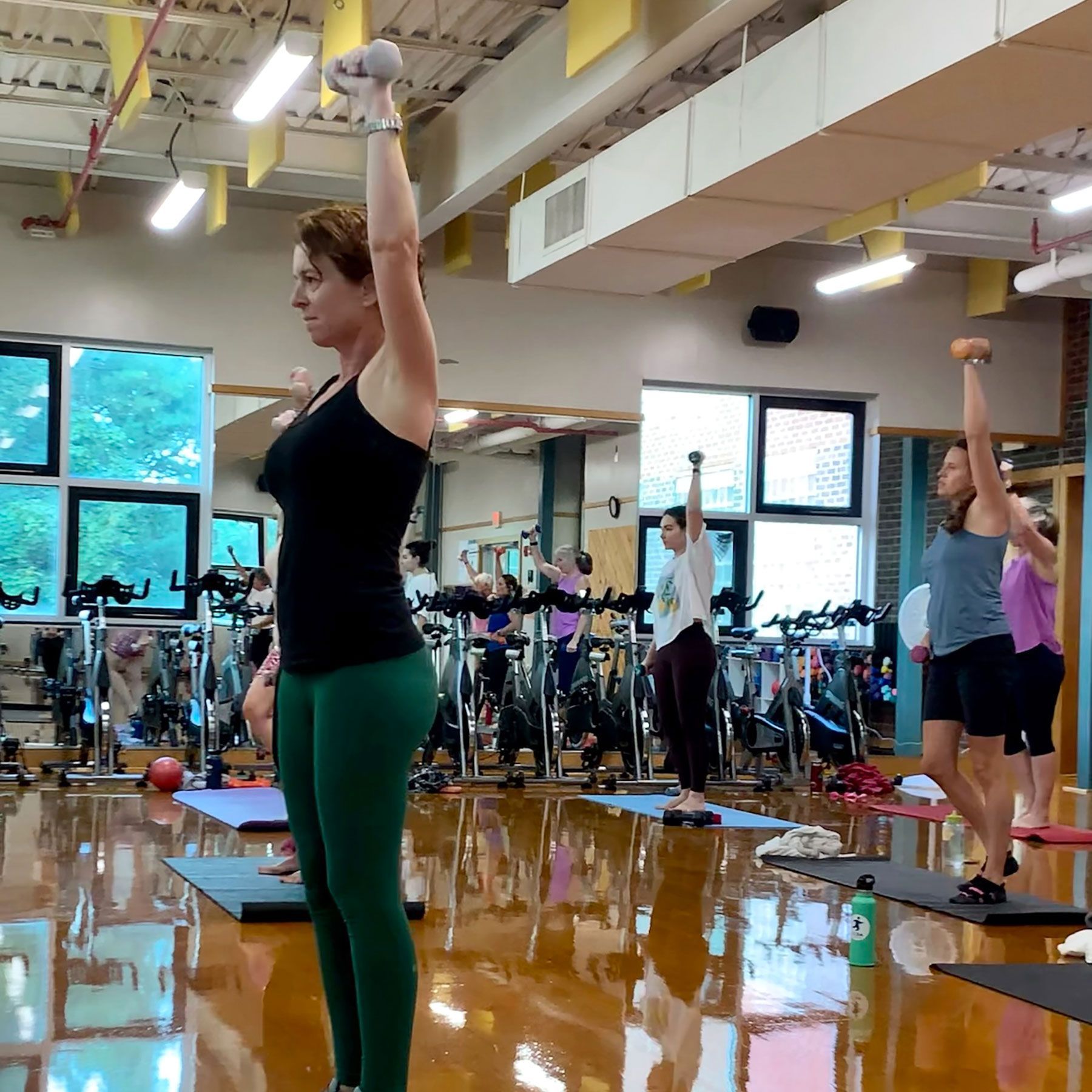
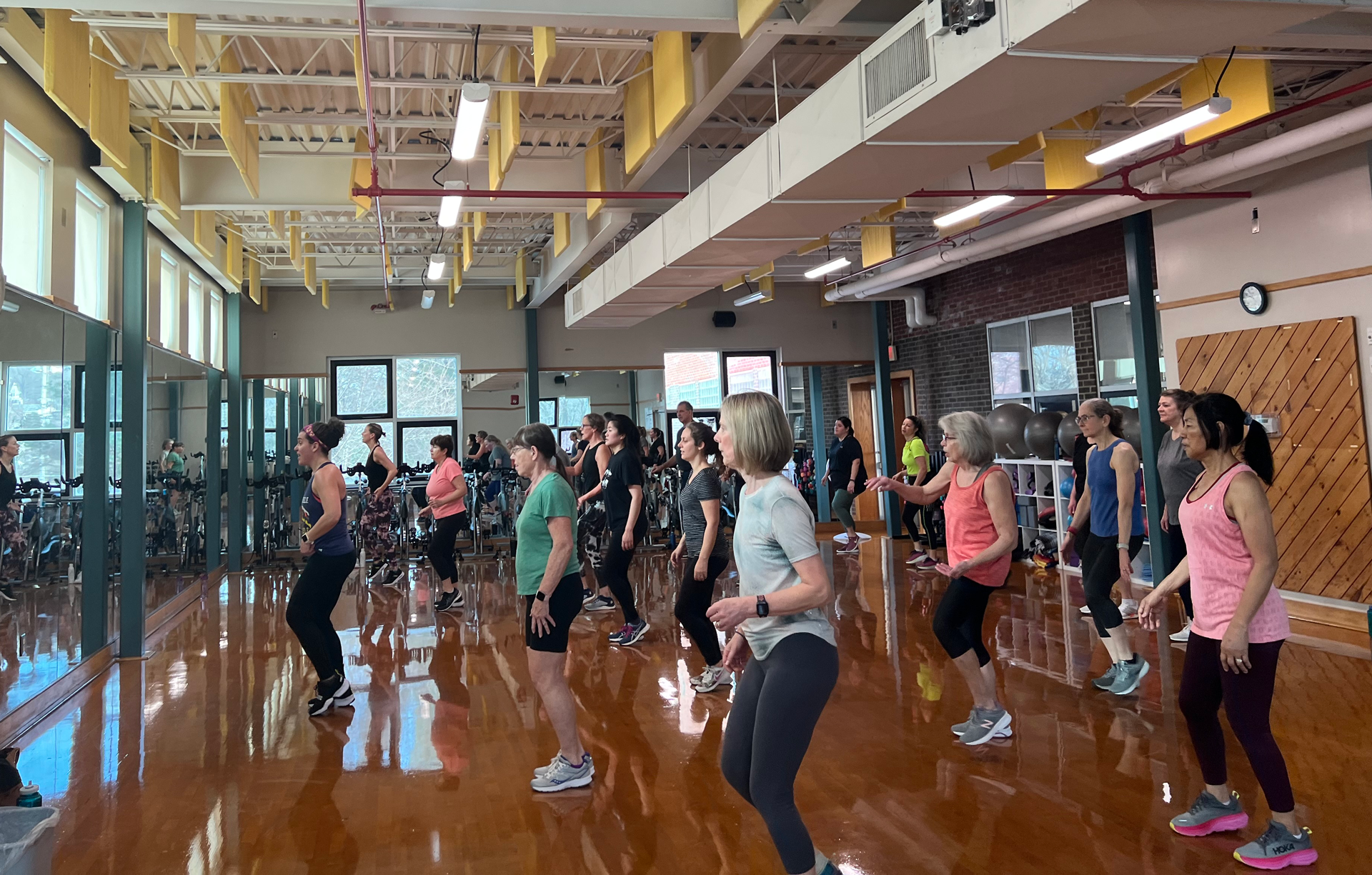
Finally, participating in strength training programs provides wonderful social and mental wellness benefits. Learning to use new equipment alongside neighbors creates a shared sense of accomplishment and accountability. If you are unsure where to begin your journey, browsing local Group Fitness Classes allows you to find a welcoming environment tailored perfectly to your current fitness level.
Frequently Asked Questions
Is functional strength training safe for older adults?
Yes, functional strength training is widely recognized by health professionals as highly beneficial and safe for older adults. The movements are based on natural human biomechanics, such as standing up, sitting down, and reaching overhead. Practicing these movements with appropriate resistance helps maintain the physical independence required for daily living.
Instructors can easily adapt functional exercises to accommodate mobility restrictions or sensitive joints. For example, a bodyweight squat can be performed while holding onto sturdy suspension straps for balance, providing safety and support while still effectively strengthening the legs and core.
How often should a beginner do functional strength training?
General wellness guidelines suggest that beginners aim for two to three strength training sessions per week. This frequency provides enough stimulus for your muscles to adapt and grow stronger while allowing adequate time for rest and recovery between workouts.
Each session does not need to be exhaustive to be effective. A well-structured 30 to 45-minute workout focusing on the major muscle groups provides excellent health benefits. Consistency over several months yields much better results than occasional, overly intense workouts.
Do I need to be in shape to try a suspension training class?
You do not need prior fitness experience to participate in suspension training. The primary advantage of this equipment is that it uses your own body weight for resistance, and you maintain complete control over the difficulty of every movement.
If an exercise feels too challenging, you simply step your feet away from the anchor point to instantly reduce the resistance. Instructors who lead these classes are trained to guide beginners through the basic setups, ensuring you feel stable and confident from your very first session.
Will lifting kettlebells bulk me up?
A common misconception about strength training is that lifting weights automatically results in large, bulky muscles. In reality, building significant muscle mass requires specific, high-volume training programs and highly specialized nutritional plans.
For the average adult, lifting kettlebells two or three times a week will simply build lean muscle tissue, improve cardiovascular endurance, and increase functional power. You will become stronger, more toned, and physically resilient without developing a bulky physique.
What is the difference between functional training and traditional weightlifting?
Traditional weightlifting often utilizes large, fixed machines designed to isolate one specific muscle group at a time, such as a seated leg extension machine. While effective for specific aesthetic goals, these machines stabilize your body for you, meaning your core muscles do not have to work as hard.
Functional training uses free weights, suspension straps, or your own body weight to train multiple muscle groups simultaneously. You must balance and stabilize yourself during the movement, which closely mirrors how your body actually moves and operates in your daily life.
Conclusion
Approaching a new fitness routine becomes much easier when you understand the equipment available to you. Beginner functional strength training is not about complex acrobatics or lifting the heaviest weight possible. It is about choosing the right tools to help your body move efficiently, safely, and powerfully through your everyday life.
Whether you choose the adaptable support of suspension straps, the dynamic challenge of kettlebells, or the gentle resistance of elastic bands, you are making a positive investment in your physical health. The most important step is simply starting. Focus on learning the proper form, listen to your body, and enjoy the rewarding process of becoming stronger.
By embracing these versatile tools, you can build a consistent routine that keeps you active, confident, and ready for all the recreation and wellness activities our community has to offer.
For individuals and families looking for fitness, recreation, and wellness opportunities in Lebanon, NH and the Upper Valley, CCBA offers a range of programs for all ages. Learn more at https://joinccba.org/.