When is the Best Age to Start Swim Lessons? A Parent's Guide to Water Safety
For families in Lebanon, NH, and the Upper Valley, spending time near the water is a cherished part of community recreation. Whether you are visiting a local lake in the summer or enjoying an indoor community pool during the winter, water activities provide wonderful opportunities for family bonding. However, introducing your child to the water is a major milestone that naturally brings up questions about readiness and safety.
Parents universally want to ensure their children build confidence and respect for the water. Determining the best age to start swim lessons is one of the most common inquiries community recreation centers receive. Understanding the developmental stages of swimming helps families approach the pool with enthusiasm rather than anxiety.
Water safety is a lifelong journey rather than a single destination. Every child develops at their own pace, and the approach to swimming changes significantly as they grow. Exploring how aquatic education adapts to different age brackets will help you prepare your child for a safe, enjoyable experience in the water.
Determining the Best Age to Start Swim Lessons
When deciding the best age to start swim lessons, there is no single answer that applies to every child. However, general wellness and pediatric guidance suggest that introducing children to the water early provides significant safety benefits. The American Academy of Pediatrics recommends that children begin formal swimming instruction around age one to help reduce the risk of aquatic accidents.
Starting early helps normalize the feeling of the water. Children who are introduced to the pool environment at a young age are less likely to develop a deep-seated fear of swimming later on. The primary goal during the early years is water acclimation and basic safety awareness, rather than mastering competitive swimming strokes.
As children grow, their physical coordination, muscular strength, and cognitive ability to follow instructions develop. This allows the focus of the lessons to shift from basic comfort to active propulsion and independent breathing techniques. Recognizing what a child is capable of at each developmental stage helps parents set realistic, encouraging expectations.
The Infant and Toddler Stage: Ages 6 Months to 3 Years
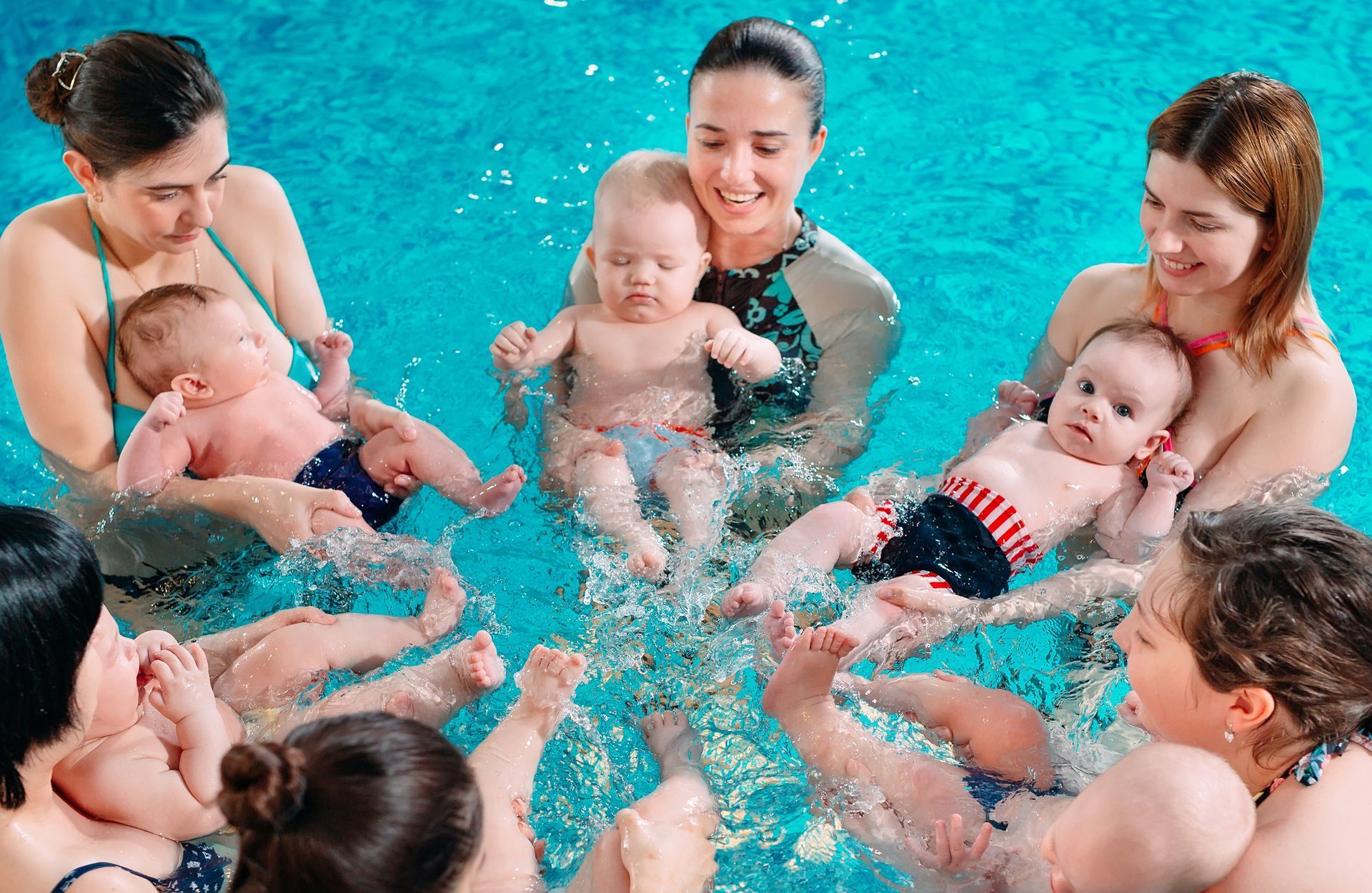
For the youngest members of the community, swimming is entirely about shared exploration. Lessons for children between six months and three years old almost always require a parent or trusted guardian to be in the water with them. These early sessions focus heavily on sensory acclimation and building a positive association with the pool environment.
During these classes, parents learn how to safely hold their children while moving through the water. Instructors guide families through gentle activities like splashing, singing aquatic songs, and practicing safe entry and exit from the pool edge. Children learn to feel comfortable having water splashed on their faces and practice blowing bubbles to understand breath control.
These parent-child sessions are not designed to teach infants how to swim independently. Instead, they provide a structured environment for parents to learn foundational aquatic safety techniques alongside their children. Planning a family visit using the Pool Schedule outside of class time is a wonderful way to practice these new comfort skills together.
The Preschool Stage: Ages 4 to 5 Years
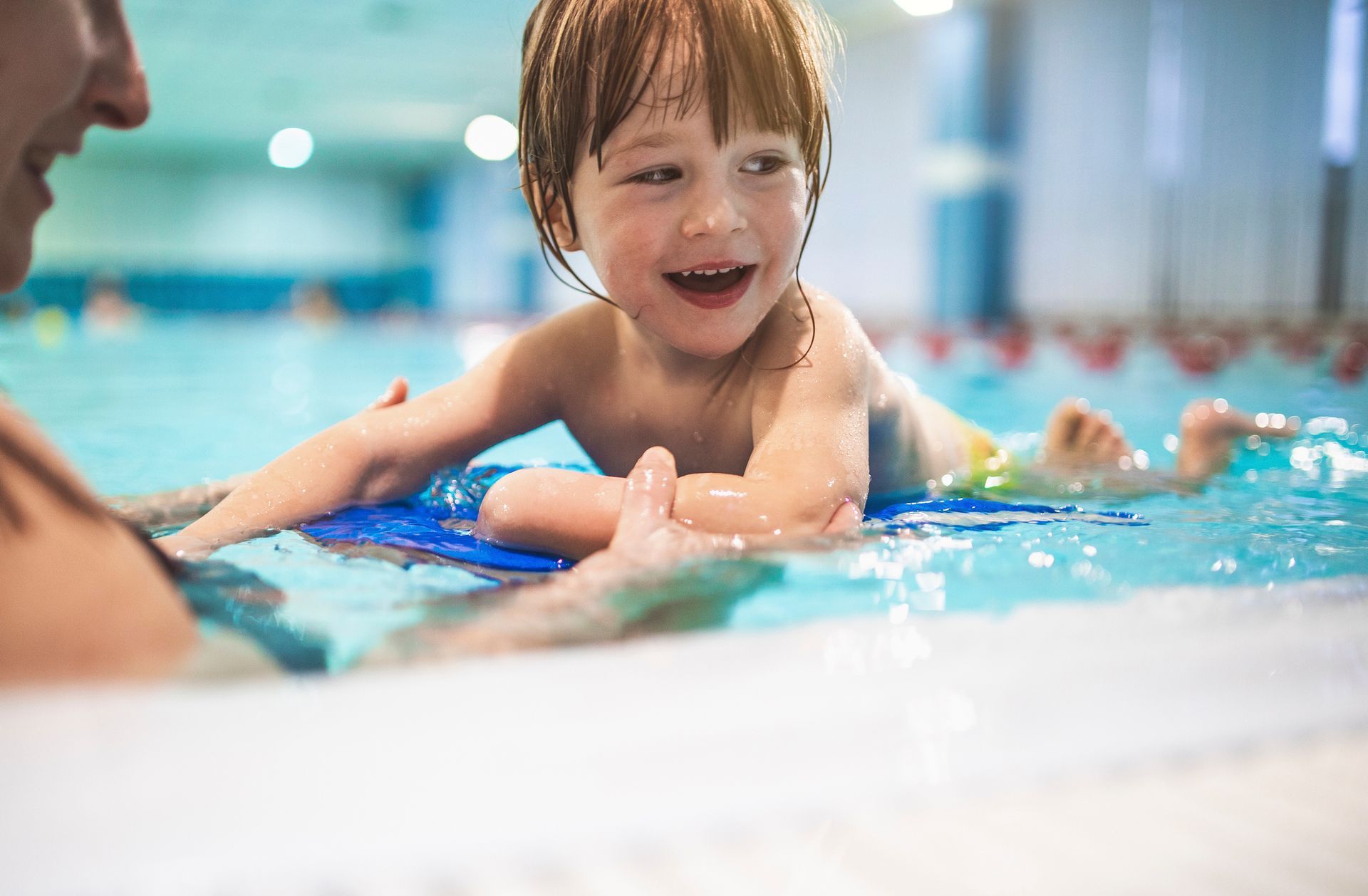
Around age four, most children experience significant leaps in their gross motor skills and independence. This is frequently considered the optimal time for children to transition into independent classes without a parent in the water. At this stage, children are generally capable of following multi-step instructions and safely waiting their turn on the pool steps.
Beginner swim lessons for children in this age bracket emphasize fundamental water survival skills. Instructors focus heavily on teaching children how to float on their backs, a critical skill that allows a tired swimmer to rest and breathe. Children also practice submerging their heads entirely, opening their eyes underwater, and using a coordinated kick to move forward.
The social aspect of learning alongside peers is highly beneficial for preschoolers. Watching other children successfully blow bubbles or reach for a floating toy often provides the gentle encouragement a hesitant child needs to try it themselves. Instructors use games and repetition to make learning these vital safety mechanics feel like playtime.
The School-Age Stage: Ages 6 and Older
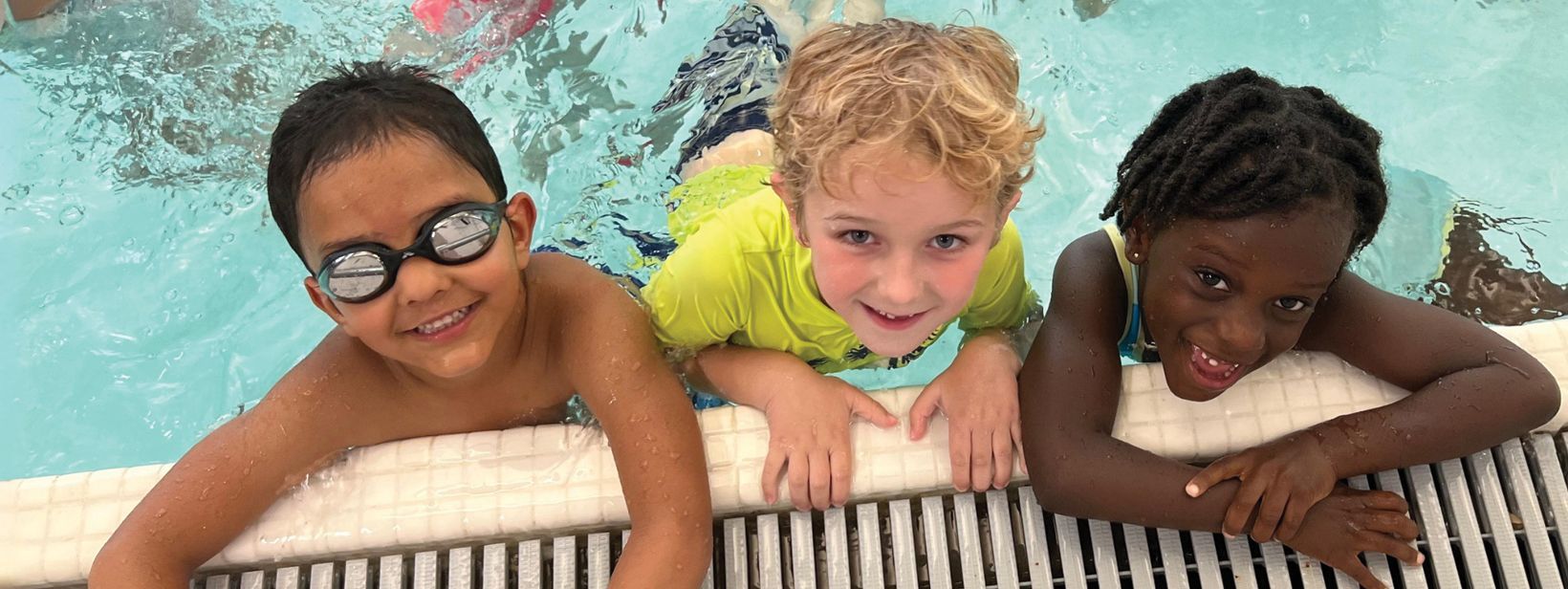
By the time children reach elementary school, they typically possess the physical stamina and muscular coordination required to learn formal swimming strokes. For school-age beginners, the initial focus remains on water safety, but the progression toward independent swimming happens much faster.
Children in this age group practice coordinating their arm pulls with their kicks and learning the rhythm of side-breathing. As they build cardiovascular endurance, they transition from swimming short distances across the shallow end to swimming the full length of the lane. They also learn advanced safety techniques, such as treading water for extended periods and safely retrieving objects from the bottom of the pool.
It is absolutely never too late for an older child to learn how to swim. Older beginners often grasp the mechanics of swimming very quickly because they can understand the physics of buoyancy and resistance. A supportive, community-focused instructional environment ensures that older beginners feel respected and encouraged as they learn.
What to Expect at First Swim Lesson
It is completely normal for both parents and children to feel a flutter of nervous energy before heading to the pool. Knowing exactly what to expect at first swim lesson can significantly reduce this anxiety and help your family prepare for a successful experience.
Community pools are often warm, echoing environments with a distinct smell of chlorine and the sound of splashing water. For a young child, this sensory input can be surprising. Instructors are specifically trained to help children navigate this new environment by starting with highly approachable, low-pressure activities.
A typical first lesson usually begins with the children sitting safely on the edge of the pool. The instructor will introduce themselves, establish the class rules, and guide the children in kicking the water with their feet. The goal of the first day is simply to build trust between the child and the instructor. If a child is entirely opposed to getting their face wet on day one, a good instructor will respect that boundary while gently encouraging progress.
For example, a preschooler might feel overwhelmed and shed a few tears when asked to step onto the pool platform. This is a normal, hypothetical response to a new challenge. Instructors handle these moments with patience, often using brightly colored toys or playful distractions to help the child relax and realize the water is a safe place to learn.
Practical Kids Water Safety Tips for Parents
Formal instruction is incredibly valuable, but parents remain the primary line of defense when it comes to aquatic safety. Implementing consistent kids water safety tips at community pools, lakes, and even backyard wading pools creates a reliable layer of protection for your family.
The most critical safety measure is active, uninterrupted supervision. Even if a child has completed several sessions of swimming instruction, they require constant monitoring. Many safety organizations recommend designating a "Water Watcher"—an adult whose sole responsibility is to watch the water without the distraction of cell phones, books, or deep conversations.
It is also important to understand the role of flotation devices. Inflatable armbands or water wings are toys and should never be relied upon to keep a child safe. If a child needs buoyancy support, they should wear a properly fitted, Coast Guard-approved life jacket.
Finally, establish firm rules for aquatic behavior before you arrive at the facility. Remind children to walk slowly on the wet pool deck to prevent slips, and to always enter the water feet-first unless they are in a clearly marked, deep-water diving area. Reinforcing these habits ensures that safety becomes a natural part of their recreation routine.
The Value of Youth Swimming Lebanon NH
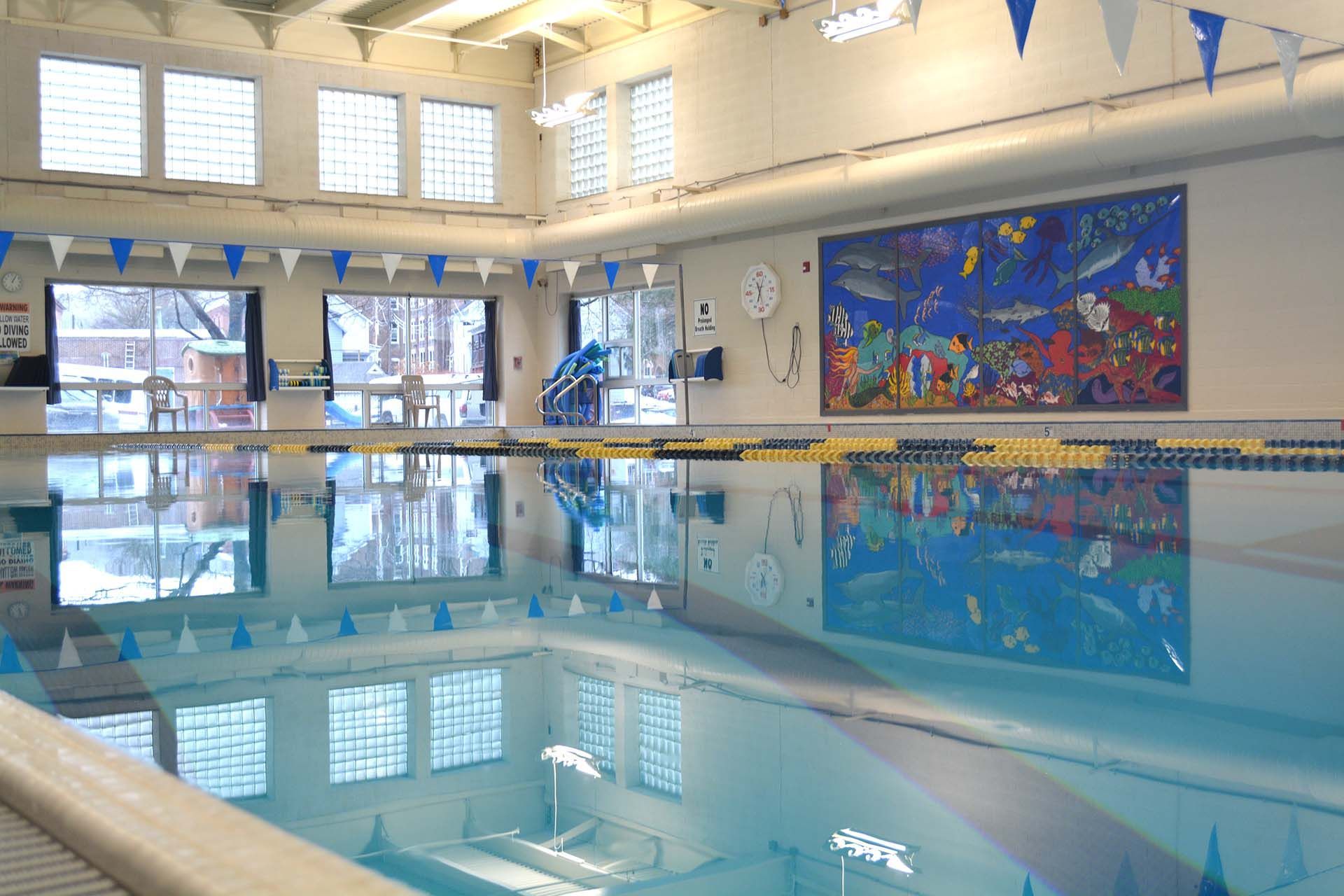
Living in the Upper Valley means being surrounded by beautiful natural water features. From summer days at local lakes to family boating trips, aquatic recreation is a cornerstone of the regional lifestyle. Because of this, establishing strong swimming skills is a highly practical investment in your child's overall wellbeing.
Finding a welcoming environment for youth swimming Lebanon NH provides families with a consistent, year-round outlet for healthy activity. Participating in Group Swim Lessons allows children to learn from experienced instructors while building friendships with peers in their community. The shared experience of overcoming a fear of the water builds profound self-confidence.
Swimming also complements other areas of a child's physical development. The strength, balance, and endurance built in the pool directly support their participation in other activities. Exploring various Youth Programs & Camps alongside swimming ensures your child has diverse, engaging ways to stay active, learn new skills, and thrive throughout the year.
Frequently Asked Questions
What is the best age to start swim lessons for my child?
While children can begin water acclimation classes as early as six months old, the American Academy of Pediatrics recommends starting formal survival skills training around age one. Early introduction focuses heavily on comfort and preventing a fear of the water.
By age four, most children have the physical coordination and cognitive focus required to follow instructions and begin learning independent swimming strokes. Ultimately, the best time to start is whenever your family is ready to commit to consistent, positive practice in the water.
What happens during beginner swim lessons for children who are afraid of the water?
Community swim instructors are highly experienced in working with children who experience aquatic anxiety. They will not force a terrified child underwater. Instead, they use a gradual process of desensitization to help the child feel secure.
An instructor might start by having the child sit on the pool steps and splash their hands, slowly progressing to blowing bubbles on the surface. The entire focus is on building trust, praising small victories, and using toys to make the environment feel like a play area rather than a classroom.
How long does it typically take for a child to learn to swim independently?
Learning to swim is a progressive motor skill, much like learning to ride a bicycle or tie shoelaces. It requires consistent repetition and muscle memory. A child rarely learns to swim independently in a single four-week session.
Most children require several consecutive sessions spread over months or even years to move from basic water acclimation to swimming the length of a pool with recognizable strokes. Regular practice outside of formal class time significantly speeds up this developmental process.
Do infants and toddlers learn to swim on their own in parent-child classes?
No, parent-child classes for infants and toddlers are not designed to teach independent swimming. A toddler does not yet have the physical development or breath control necessary to swim safely on their own.
These classes are designed to teach parents how to handle their children safely in the water and to help the child form a positive, stress-free relationship with the pool. They lay the critical emotional foundation that makes formal lessons much easier when the child reaches preschool age.
How can families practice water safety at home between lessons?
You do not need a pool to practice fundamental water skills. The bathtub is an excellent environment for young children to practice what they learn in class. You can encourage them to blow bubbles in the bathwater or practice pouring water gently over the back of their head to get used to the sensation.
For older children, you can practice the physical motions of kicking while lying on the living room floor. Consistently discussing your family’s safety rules regarding open water and pools also keeps the concept of water safety active in their minds year-round.
Conclusion
Guiding your child through their aquatic education is a highly rewarding journey that provides them with vital life skills. While many parents wonder about the best age to start swim lessons, the truth is that every step taken toward water safety is a positive one, regardless of when it begins. Early introduction builds essential comfort, while later lessons refine the mechanics of confident swimming.
By understanding the developmental milestones of swimming, knowing what to expect on the first day, and practicing consistent supervision, you can alleviate anxiety and make the pool a place of joy. Embrace the process, celebrate your child's progress, and enjoy the wonderful community recreation opportunities that the water provides.
For individuals and families looking for fitness, recreation, and wellness opportunities in Lebanon, NH and the Upper Valley, CCBA offers a range of programs for all ages, including aquatics, youth activities, and family recreation. Learn more at https://joinccba.org/.