Is Swimming Good Exercise for Seniors? The Benefits of Low-Impact Water Workouts
Staying active is one of the most effective ways to maintain independence, mobility, and overall health as we age. For seniors in Lebanon, New Hampshire, and across the Upper Valley, finding an exercise routine that is both effective and comfortable can sometimes feel like a challenge. High-impact activities like running or jumping might cause discomfort, especially for those managing arthritis, recovering from injuries, or dealing with sensitive joints. This is where the local pool provides a perfect, welcoming solution.
You might be wondering: are the swimming benefits for seniors truly worth adding a pool visit to your weekly schedule? The answer is an enthusiastic yes. Water provides a unique environment that supports the body while offering natural resistance in every direction. This makes it possible to build physical strength, improve cardiovascular health, and increase flexibility without putting unnecessary stress on your skeletal system.
Whether you have been swimming your entire life or are just looking for a safe way to move comfortably, the water is incredibly accommodating. Understanding the advantages of exercising in the pool can help you build a routine that feels good and supports your long-term wellness goals. Making the pool a regular part of your week is an excellent strategy for healthy aging.
Why the Swimming Benefits for Seniors Make It an Ideal Choice
When you step into a pool, the water immediately supports a significant portion of your body weight. If you are standing in chest-deep water, buoyancy supports roughly eighty percent of your weight. This buoyancy is one of the greatest swimming benefits for seniors. It drastically reduces the gravitational pull on your weight-bearing joints, such as the knees, hips, and lower back.
Because the water supports you, movements that might feel difficult or painful on land suddenly become much easier. You can walk, stretch, and move with a greater range of motion. This freedom of movement is essential for maintaining flexibility and balance. Better balance in the water directly translates to a lower risk of falls in your daily life.
At the same time, water is significantly denser than air. Every movement you make pushes against this natural resistance. This means you are engaging and strengthening your muscles with every step, arm sweep, or stroke. You get a full-body workout that challenges your muscles without relying on heavy weights or jarring movements.
Swimming also provides an excellent cardiovascular workout. Moving through the water gets your heart pumping and increases circulation, which supports overall heart and lung health. Because the water keeps your body cool, you can often exercise longer and more comfortably than you might in a warm gym environment. Building cardiovascular endurance helps you maintain the stamina needed for daily tasks, from carrying groceries to spending time with family.
The Magic of Low Impact Water Workouts
One of the primary reasons older adults are drawn to the pool is the availability of low impact water workouts. "Low impact" simply means that at least one foot remains on the ground, or the body is supported in a way that prevents harsh physical shocks.
Joint friendly exercises are vital for healthy aging. In the water, you eliminate the pounding impact that comes with walking on pavement or a treadmill. The gentle environment allows you to focus on your form, your posture, and your breathing rather than worrying about joint strain.
Many adults discover that these workouts provide some of the same aquatic therapy benefits utilized in professional rehabilitation settings. The hydrostatic pressure of the water acts like a gentle, full-body compression garment. This pressure can help reduce swelling in the joints and promote healthy blood flow back to the heart.
Even simple activities, like walking across the shallow end of the pool, become highly effective low impact water workouts. The resistance of the water challenges your core stability as you work to stay upright against the gentle currents. This type of functional fitness is incredibly valuable for maintaining your independence and physical confidence.
Exploring Aqua Fitness for Older Adults
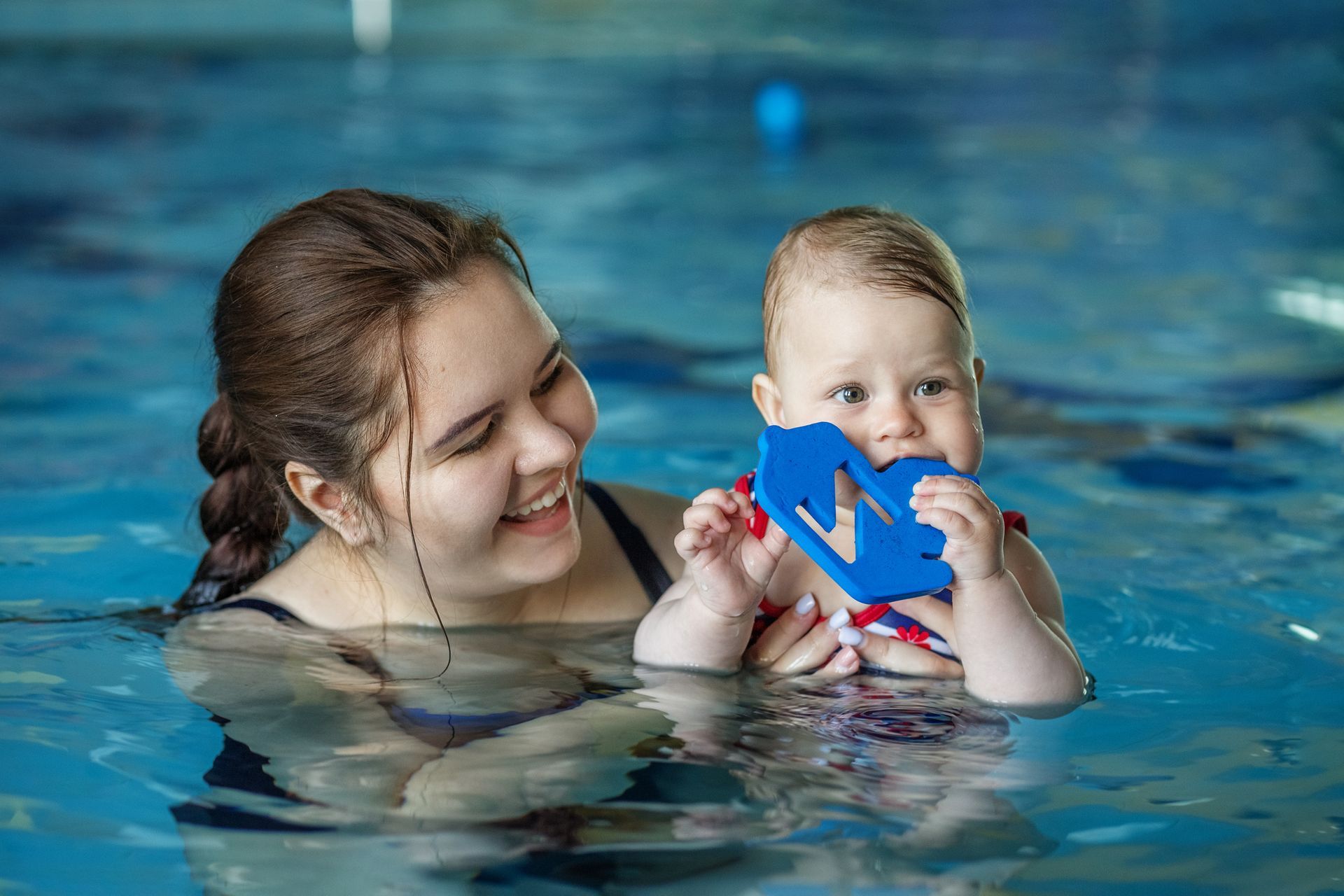
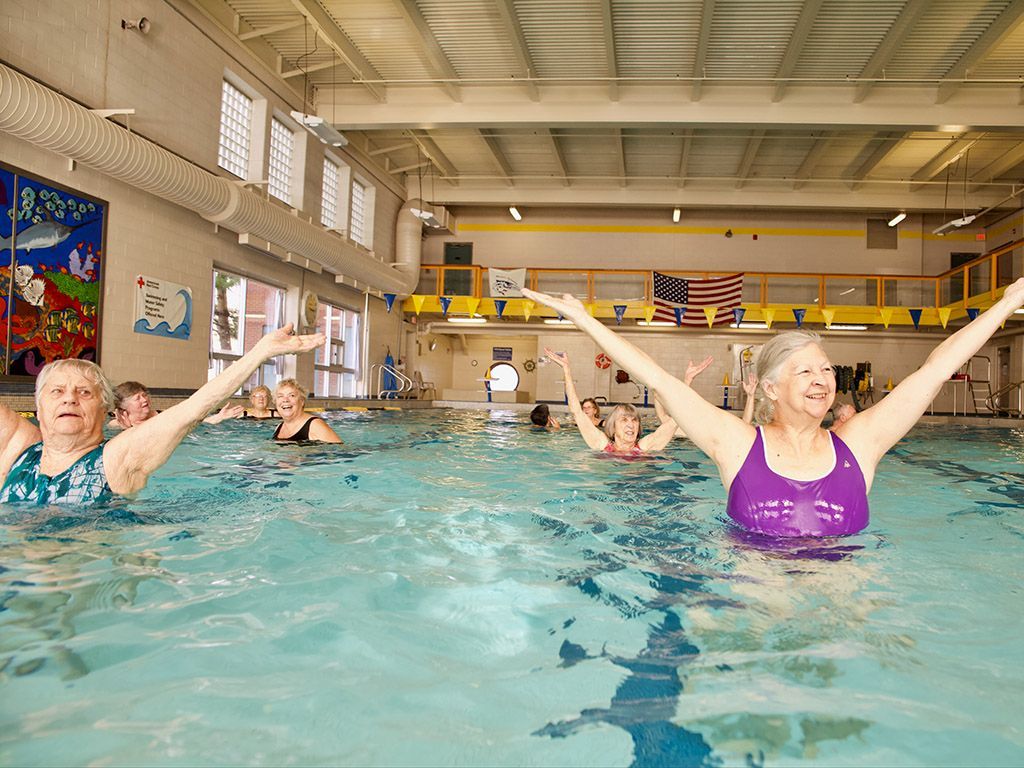
You do not need to swim traditional laps to enjoy the pool. In fact, aqua fitness for older adults offers a wide variety of ways to stay active without ever putting your face in the water. Structured classes are an excellent way to learn new movements and exercise alongside other community members in a fun, energetic setting.
Many facilities offer designated times and specific formats tailored to different mobility levels and fitness goals. For example, you might try Aqua Gym Classes to experience a fun, low-impact workout in a supportive pool setting. These specific sessions focus on functional movements that build strength and cardiovascular endurance using the water's natural resistance.
If you are looking for a gentle, effective path to full-body strength, Aqua Fitness Classes provide guided instruction focused heavily on mobility and joint health. Working out with an instructor ensures you are performing exercises safely while enjoying the encouragement of a group environment. Instructors can also offer modifications for specific exercises if you have unique mobility restrictions.
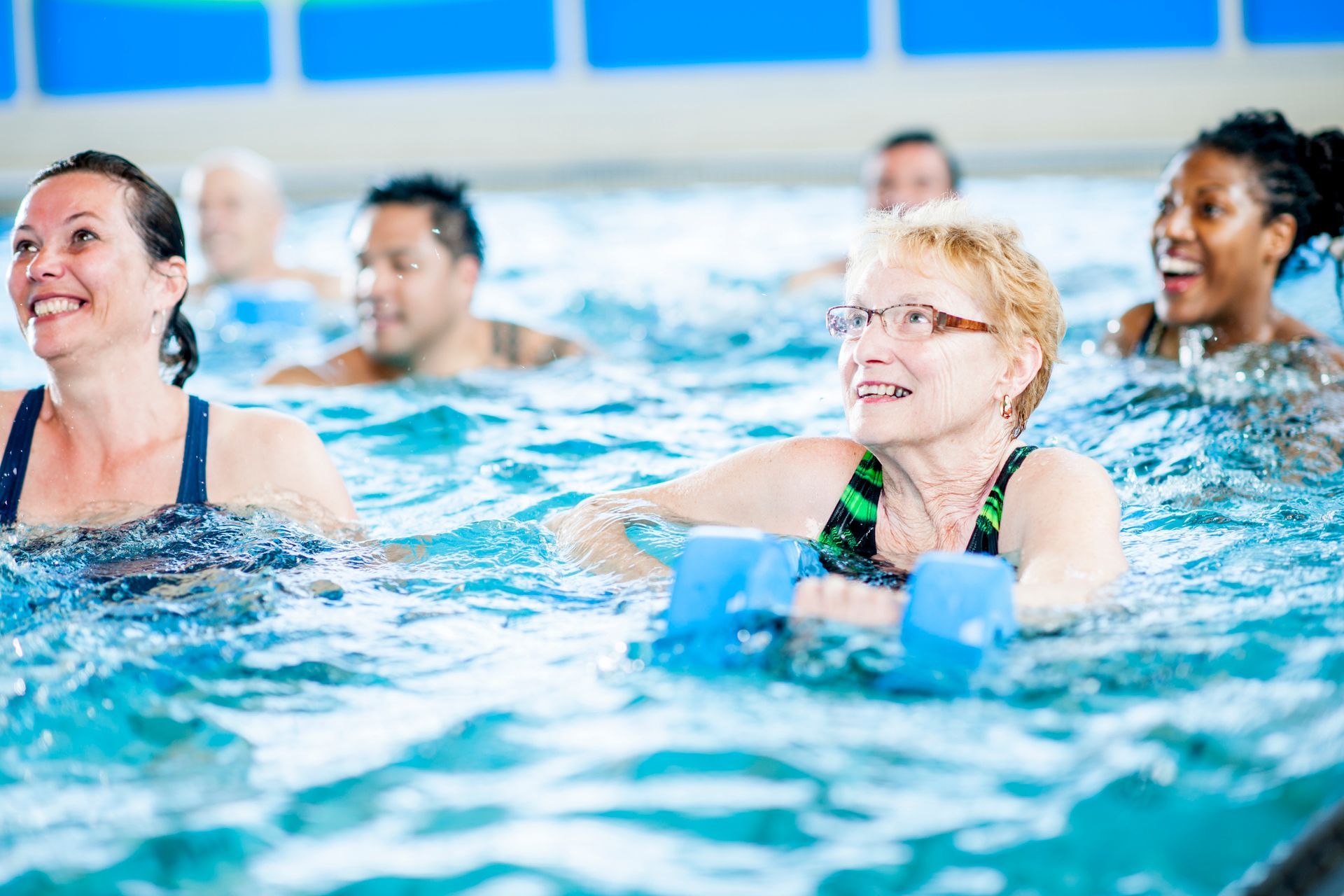
These classes often incorporate equipment like water dumbbells or foam noodles to add variety and targeted resistance. Whether you participate in a structured class or prefer independent water walking, the focus remains entirely on safe, sustainable movement that makes you feel great.
The Social and Mental Wellness Connection
Physical health is only one part of the healthy aging equation. Participating in community recreation offers profound mental and social benefits. A regular visit to the pool provides structure to your week and a wonderful reason to get out of the house.
Group fitness classes in the water are naturally social environments. Because you do not have your face submerged during an aqua fitness class, you can easily chat and laugh with your neighbors. Building these social connections helps combat isolation and fosters a strong sense of belonging within the Upper Valley community.
Exercise also triggers the release of endorphins, which are natural mood lifters. Moving your body in a soothing, supportive aquatic environment can significantly reduce stress and anxiety. Many seniors report leaving the pool feeling more relaxed, energized, and optimistic than when they arrived.
Getting Started in the Water Safely
Starting a new exercise routine requires a bit of straightforward planning. Before heading to the pool, it is helpful to gather the right gear. A comfortable swimsuit that allows for a full range of motion, a warm towel, and slip-resistant water shoes for navigating the locker room and pool deck are essential items.
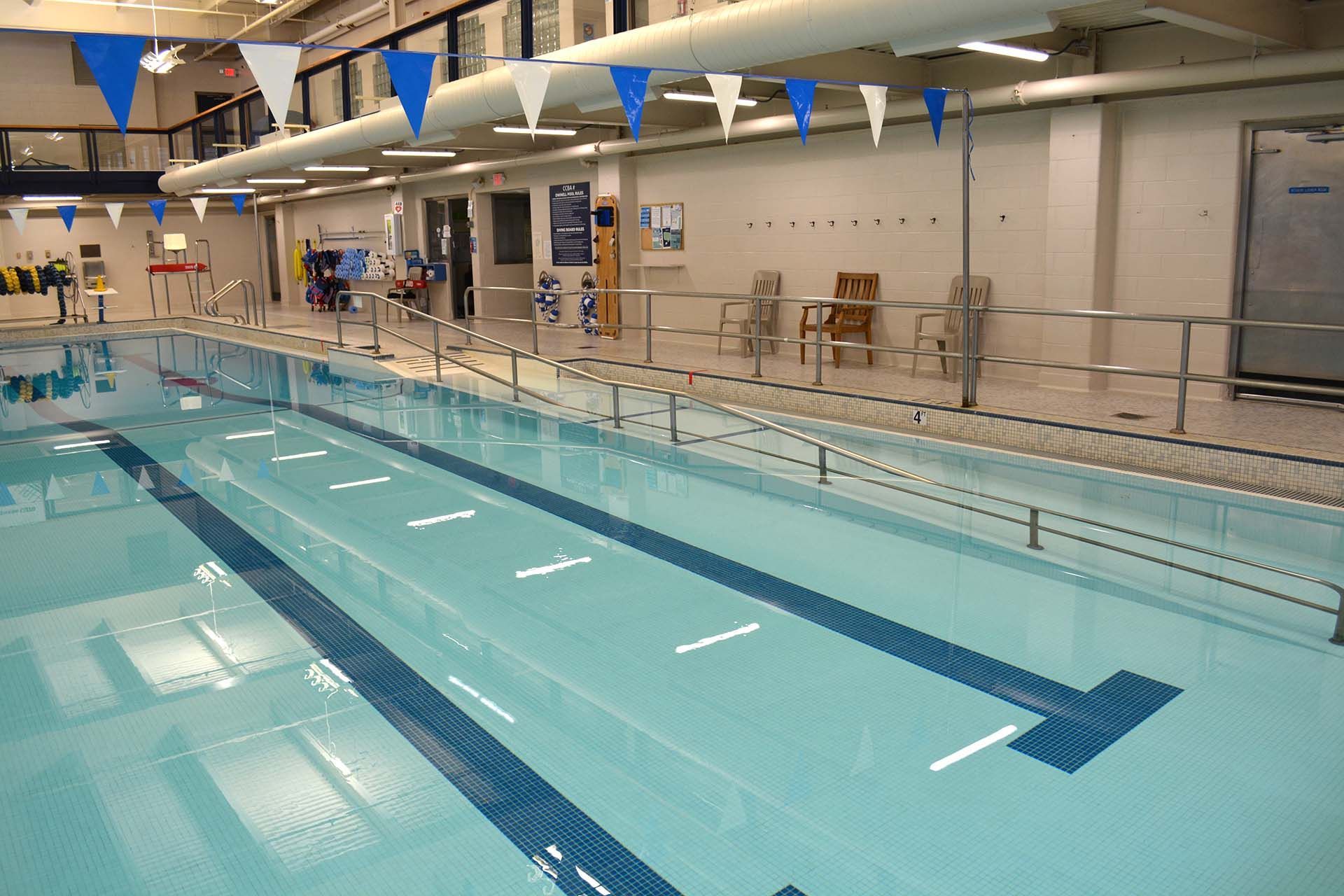
When you arrive, take your time entering the water. Most community pools have stairs with sturdy handrails or even ramp access, making it easy and safe to get in and out. Start slowly, allowing your body to acclimate to the water temperature and the unique sensation of buoyancy.
Begin with a gentle warm-up, such as walking in place or doing light arm circles. If you are unsure when the pool is available for open swimming or specific classes, reviewing a Pool Schedule helps you find a time that fits your routine and comfort level perfectly. Planning ahead ensures you arrive during designated senior or adult swim times, which are often quieter and more relaxed.
Always listen to your body. The water can sometimes mask how hard you are working because you may not feel yourself sweating. Take breaks as needed, stay hydrated by bringing a water bottle to the pool deck, and focus on moving at a pace that feels comfortable and rewarding for you.
Frequently Asked Questions
Is the water temperature comfortable for older adults?
Most community and wellness center pools are kept at a moderate, comfortable temperature, typically between 80 and 84 degrees Fahrenheit. This specific temperature range is purposefully designed to keep swimmers warm enough to prevent chilling, but cool enough to prevent overheating during aerobic exercise.
If you are participating in a lower-intensity mobility class, your body will naturally generate its own heat as you move against the water's resistance. Wearing a synthetic rash guard or an aquatic fitness shirt can also provide an extra layer of warmth if you are particularly sensitive to cooler water.
Do I need to know how to swim to participate in water workouts?
No, traditional swimming skills are not required for most water fitness activities. Many joint friendly exercises and fitness classes take place entirely in the shallow end of the pool where the water depth is easily manageable.
The water typically rests between waist and chest height, allowing you to keep your feet firmly planted on the pool floor at all times. Instructors guide participants through walking, stretching, and resistance movements that do not involve swimming strokes or putting your face in the water.
Are water exercises safe if I have arthritis or joint pain?
Yes, water exercise is widely recognized by health and wellness professionals as one of the safest and most effective ways to stay active with arthritis. The buoyancy of the water removes significant weight and pressure from your skeletal system, which often dramatically reduces pain during movement.
Additionally, the hydrostatic pressure of the water can help relax stiff muscles and increase blood circulation to the affected areas. This supportive environment allows you to move your joints through a wider range of motion than you comfortably could on dry land.
What equipment is used during aquatic fitness classes?
Instructors frequently use specialized aquatic equipment to increase resistance and provide extra stability. Foam dumbbells are very common. Instead of being heavy like traditional weights, they are highly buoyant, so you must use your muscles to actively push them down into the water.
You might also use flexible pool noodles for balance and flotation, or aquatic kickboards for targeted core exercises. All aquatic equipment is designed to be very lightweight on land and create safe, adjustable resistance when submerged.
How often should seniors exercise in the pool?
General fitness guidance suggests adults aim for 150 minutes of moderate aerobic activity per week, which can certainly include your time in the pool. Many older adults find great success visiting the pool two to three times a week for 30 to 45 minutes per session.
It is always best to start with shorter sessions, perhaps 20 minutes, to see how your body responds to the new activity. You can gradually increase your time in the water as your cardiovascular endurance and muscular strength improve.
Conclusion
Making the decision to stay active is a wonderful, proactive commitment to your long-term health, mobility, and independence. The primary swimming benefits for seniors extend far beyond simple cardiovascular fitness. The pool offers a welcoming, highly supportive environment where you can build strength safely and comfortably.
Whether your personal goal is to manage daily joint discomfort, improve your balance to prevent falls, or simply enjoy a refreshing and highly social workout, low-impact water exercises are an excellent choice. By taking advantage of the natural buoyancy and resistance of the water, you can protect your joints while continuing to appropriately challenge your muscles.
Take that first step with confidence and enthusiasm. Grab your swimsuit, find a supportive group class or a quiet time for independent water walking, and discover the many ways the water can help you stay healthy, active, and deeply engaged in your community.
For individuals and families looking for fitness, recreation, and wellness opportunities in Lebanon, NH and the Upper Valley, CCBA offers a range of programs for all ages, including aquatics and senior wellness. Learn more at https://joinccba.org/.