Protect Your Joints: The Hidden Benefits of Indoor Cycling
For adults and seniors in Lebanon, NH, and the Upper Valley, finding a safe, effective way to elevate your heart rate can sometimes feel like a puzzle. You know that regular aerobic exercise is vital for maintaining daily stamina and overall heart health. However, high-impact activities like running or jogging on pavement often lead to uncomfortable knee and hip pain.
When joint sensitivity becomes a barrier to fitness, it is time to explore smoother alternatives. Understanding the benefits of indoor cycling provides a wonderful, joint-friendly solution for staying active. This accessible workout allows you to build incredible cardiovascular endurance without putting unnecessary stress on your skeletal system.
Understanding Low Impact Cardio Workouts
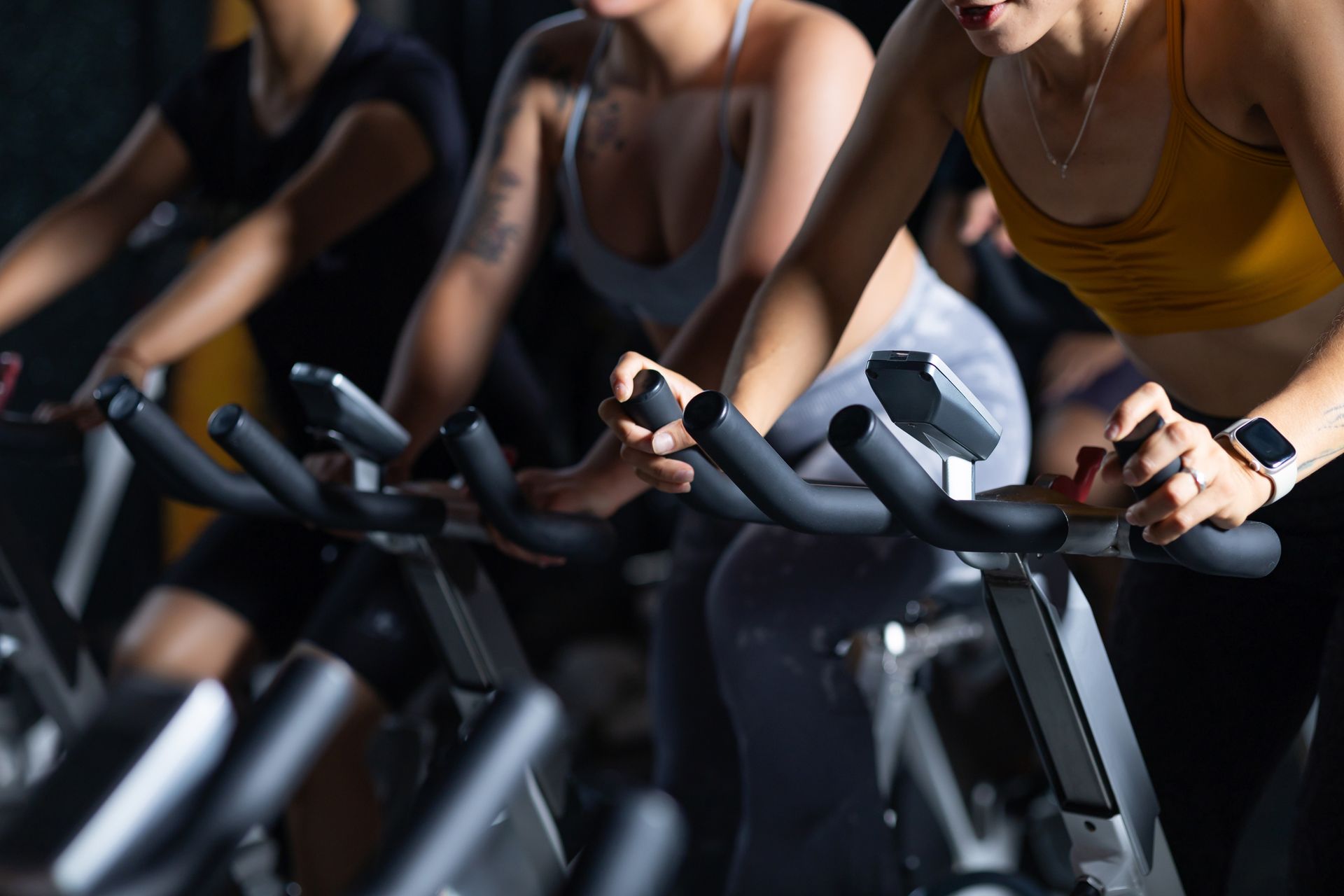
Supporting cardiovascular health for adults is essential for maintaining independence and vitality. A strong heart pumps blood more efficiently, giving you the energy needed for daily tasks like carrying groceries, working in the garden, or keeping up with family. The challenge many older adults face is finding an exercise method that continuously challenges the heart and lungs without pounding the joints.
"Low impact" simply means that your body is not subjected to harsh physical shocks during movement. When you walk briskly or run, every step sends a jolt of force through your feet, up your legs, and into your spine. Over time, this repetitive stress can irritate sensitive joints.
Low impact cardio workouts remove this jarring force entirely. Your feet remain continuously supported, allowing your muscles to do the physical work instead of your joints absorbing the shock. This approach makes exercise much more comfortable and highly sustainable over the long term.
The Primary Benefits of Indoor Cycling for Joint Health
One of the most significant benefits of indoor cycling is the smooth, circular motion of the pedals. Because your feet never leave the pedals, there is zero impact on your knees, hips, or ankles. This continuous, gliding movement acts as a gentle lubricant for your joints. The circular motion actually encourages your body to produce synovial fluid, which naturally cushions and protects the knee joint during your daily activities.
While protecting your joints, you are simultaneously building strong leg muscles. The resistance on the bike actively challenges your quadriceps, hamstrings, and calves. As these muscles grow stronger, they act like natural shock absorbers, providing better support and stability for your knees when you are walking or climbing stairs outside the facility.
Additionally, spinning class benefits extend beyond just the lower body. Maintaining proper posture on the bike requires you to actively engage your abdominal and lower back muscles. This continuous core engagement helps build the stability necessary for maintaining good posture and balance throughout your day.
Comparing Cardio Impact Levels
To better understand how different exercises affect your body, it helps to compare their impact levels. Reviewing this breakdown makes it easier to choose the right activity for your current comfort level and physical goals.
| Cardio Format | Impact Level | Primary Focus | Best For |
|---|---|---|---|
| Running / Jogging | High | Maximum heart rate, bone density | Adults without joint sensitivity |
| Brisk Walking | Moderate | Accessible movement, light cardio | General daily activity and mobility |
| Indoor Cycling | Low | Muscular endurance, high cardio | Protecting knees, hips, and ankles |
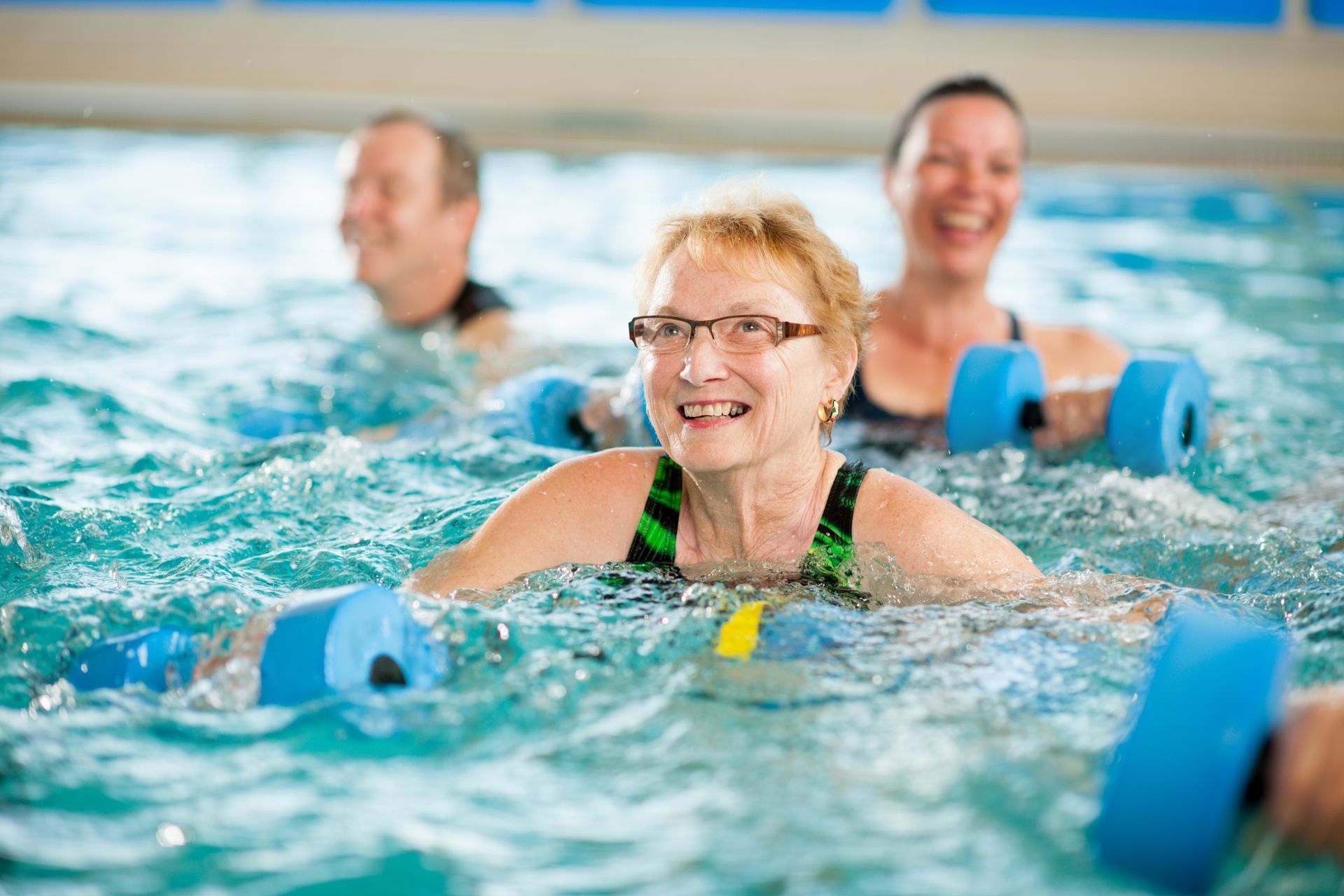
| Water Aerobics | Very Low | Buoyant support, gentle resistance | Highly sensitive joints or arthritis |
Navigating Indoor Cycling for Beginners
Trying a new piece of fitness equipment can feel intimidating at first, but indoor cycling for beginners is highly accessible. The most important step happens before you even start pedaling. A proper bike setup is crucial for ensuring a comfortable and safe ride.
Arriving ten minutes early to your first session provides the perfect opportunity to introduce yourself to the instructor. They are there to support you and will gladly guide you through the initial bike adjustments. They will help you set the seat height and handlebar position so your body is perfectly aligned. You should have a slight bend in your knee at the bottom of the pedal stroke, which ensures your muscles do the work without straining your joints.
The greatest advantage of these classes is that you maintain complete control over the workout. Every bike features a resistance dial. While the instructor guides the room through simulated hills and flat roads, you decide exactly how heavy those hills feel. If an interval feels too challenging, you simply turn the dial down to instantly reduce the tension. If you are ready to try this supportive environment, browsing Indoor Cycling Classes provides a great overview of what to expect.
Finding Your Community Rhythm
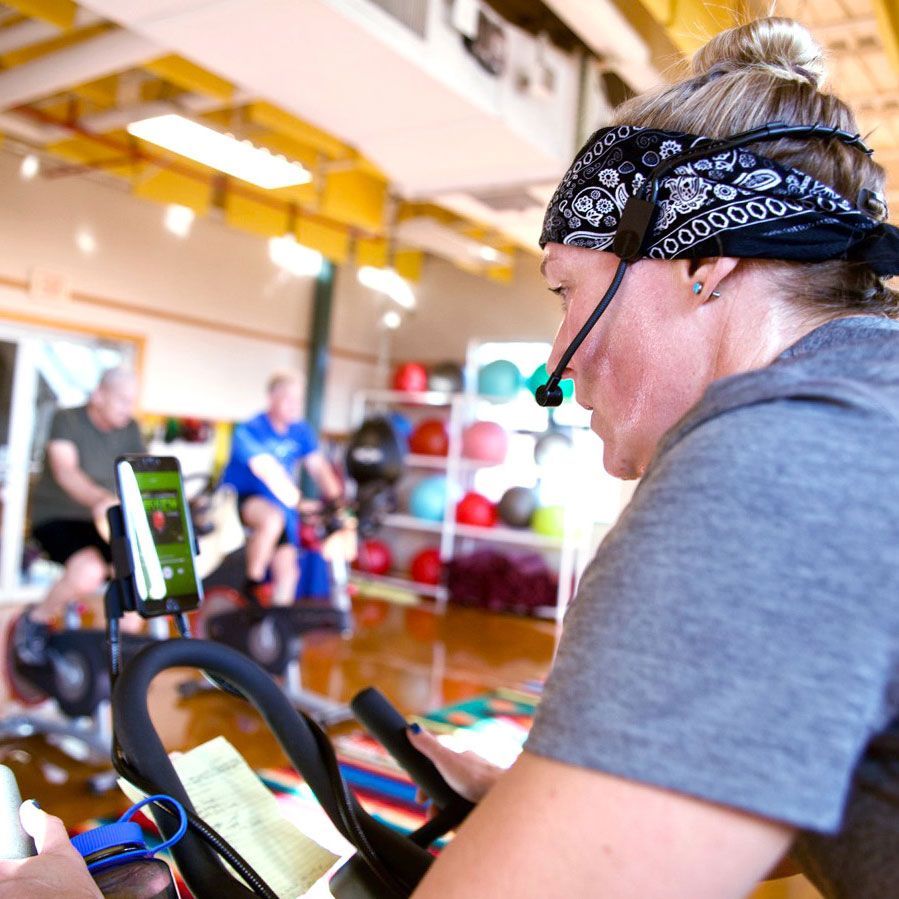
Participating in a group setting adds a wonderful layer of motivation to your cardiovascular routine. Exercising to energetic music alongside neighbors makes the time pass quickly and turns a standard workout into a highly enjoyable event. You do not have to worry about planning your own intervals; you just show up, listen to the instructor, and focus on your breathing.
Listening to upbeat music while moving rhythmically also provides excellent mental health benefits. It naturally reduces stress and leaves you feeling energized long after the class ends. If you are looking to diversify your routine, checking out other Group Fitness Classes allows you to mix cycling with gentle stretching or strength work. Combining different formats provides a balanced, sustainable approach to full-body wellness.
Remember that consistency is far more beneficial than occasional intensity. Start with one or two short rides a week to allow your body to adapt to the new movement comfortably. To plan your visits easily, you can View Schedules to find class times that fit perfectly into your weekly routine.
Frequently Asked Questions
Is indoor cycling safe for older adults with mild knee pain?
Yes, indoor cycling is widely recommended by fitness professionals as a highly safe cardiovascular option for those with mild knee discomfort. The smooth, circular pedal stroke eliminates the harsh impact associated with walking on pavement or jogging.
By keeping the resistance light and focusing on a steady pedal speed, the movement gently lubricates the knee joint. It also strengthens the quadriceps muscles, which directly support and stabilize the knee during everyday activities.
Do I need special cycling shoes to participate in a class?
No, special cycling shoes are not required to participate. Most indoor cycling bikes are equipped with toe cages or adjustable straps that accommodate standard athletic sneakers securely.
It is best to wear a sturdy sneaker with a relatively stiff sole, rather than a highly flexible running shoe. A firmer sole helps distribute the pressure evenly across your foot as you push down on the pedal, providing a much more comfortable ride.
What should I bring to my first indoor cycling class?
You should bring a filled water bottle and a small workout towel. Indoor cycling elevates your heart rate and body temperature, meaning you will likely sweat more than you would during a standard walking routine.
Staying hydrated throughout the ride is essential. Instructors will regularly cue the class to take water breaks, but you should always feel free to drink whenever you need it. Wearing breathable, moisture-wicking clothing will also help keep you comfortable.
Is an indoor cycling class too intense for a beginner?
The intensity of an indoor cycling class is entirely under your personal control. Every bike has a resistance knob that allows you to adjust exactly how hard you have to push the pedals.
While the instructor provides a roadmap for the workout, such as when to pedal faster or add resistance, these are only suggestions. Beginners are always encouraged to ignore the cues if they need a physical break and simply pedal at a flat, easy resistance until they feel ready to push again.
Will indoor cycling help me build strength or just cardiovascular endurance?
While the primary goal of cycling is cardiovascular endurance, it is also an excellent tool for building lower body strength. Pushing against heavy resistance on the bike acts as a highly effective form of strength training for your legs.
You will actively engage and strengthen your quadriceps, hamstrings, glutes, and calves. Additionally, maintaining proper posture on the saddle requires continuous engagement of your core muscles, providing a gentle abdominal workout throughout the duration of the ride.
Conclusion
Taking proactive steps to care for your heart should never come at the expense of your joint health. By exploring the benefits of indoor cycling, you discover a highly effective, adaptable way to build stamina and muscular endurance safely. The smooth, impact-free motion protects your knees and hips while providing an invigorating challenge for your cardiovascular system.
Whether you are returning to exercise after a long break or simply looking for a more comfortable way to stay active during the winter months, the bike is waiting for you. Embrace the supportive environment of a group class, adjust the resistance to fit your personal comfort level, and enjoy the empowering feeling of a strong, healthy heart.
For individuals and families looking for fitness, recreation, and wellness opportunities in Lebanon, NH and the Upper Valley, CCBA offers a range of programs for all ages. Learn more at https://joinccba.org/.