Finding Your Fitness Community: How to Stay Motivated to Work Out
Starting a new exercise routine is an exciting and positive step toward better health. However, for many adults across Lebanon, NH, and the Upper Valley, maintaining that initial enthusiasm can be a significant challenge. The excitement of setting a new wellness goal often fades after the first few weeks, leaving many people feeling frustrated when they begin skipping planned exercise sessions.
If you find yourself struggling to maintain your routine, you are facing a completely normal hurdle. Figuring out exactly how to stay motivated to workout is one of the most common challenges in adult recreation. The secret to lasting consistency rarely relies on sheer willpower or strict discipline alone.
Instead, the most successful approach involves finding a supportive, welcoming environment where you feel genuinely connected to those around you. Building social accountability transforms exercise from an isolated chore into an enjoyable community activity. By understanding how group dynamics positively influence your habits, you can build a sustainable, long-term approach to your personal health and wellness.
Understanding Gym Motivation for Beginners
When you first decide to get active, your internal drive is usually very high. You might buy new athletic shoes, map out a complex weekly schedule, and feel ready to conquer your health goals. This initial burst of energy is helpful for taking the first step, but it is entirely natural for that feeling to decrease over time.
Relying purely on your internal drive is exhausting. On cold New Hampshire mornings or after a long day at work, the desire to rest will almost always overpower the desire to exercise alone. Gym motivation for beginners naturally dips when there is no external support system or structured schedule to rely on.
Furthermore, beginners often feel unsure of what to do once they step onto a gym floor. Looking at rows of unfamiliar equipment without guidance can cause anxiety, making it much easier to simply walk away. Recognizing that motivation is temporary helps you shift your focus toward building reliable habits and seeking external support rather than waiting to feel "ready" to exercise.
The Powerful Benefits of Working Out with Others
One of the most effective ways to replace fleeting motivation with reliable consistency is to exercise alongside other people. When you join a group, attend a class, or commit to meeting a partner, you immediately create social accountability. Knowing that an instructor or a neighbor expects to see you makes it significantly harder to skip your session.
The benefits of working out with others extend far beyond simple attendance. Group environments naturally elevate your effort level. When you are surrounded by people who are moving, breathing, and trying their best, you naturally mirror that energy. A challenging cardiovascular interval feels much more manageable when the entire room is working through it together.
Additionally, social interaction during exercise provides a powerful mental health boost. Greeting familiar faces, sharing a laugh before class begins, and experiencing a collective sense of accomplishment triggers the release of positive endorphins. This makes the exercise experience deeply rewarding on an emotional level, encouraging you to return week after week simply because you enjoy the environment.
Finding a Fitness Community in the Upper Valley
Taking the step to connect with others requires knowing where to look. Finding a fitness community starts by exploring local recreation options where connection, inclusivity, and general health are prioritized over elite competition. Community recreation centers are specifically designed to provide naturally welcoming environments for people of all ages and abilities.
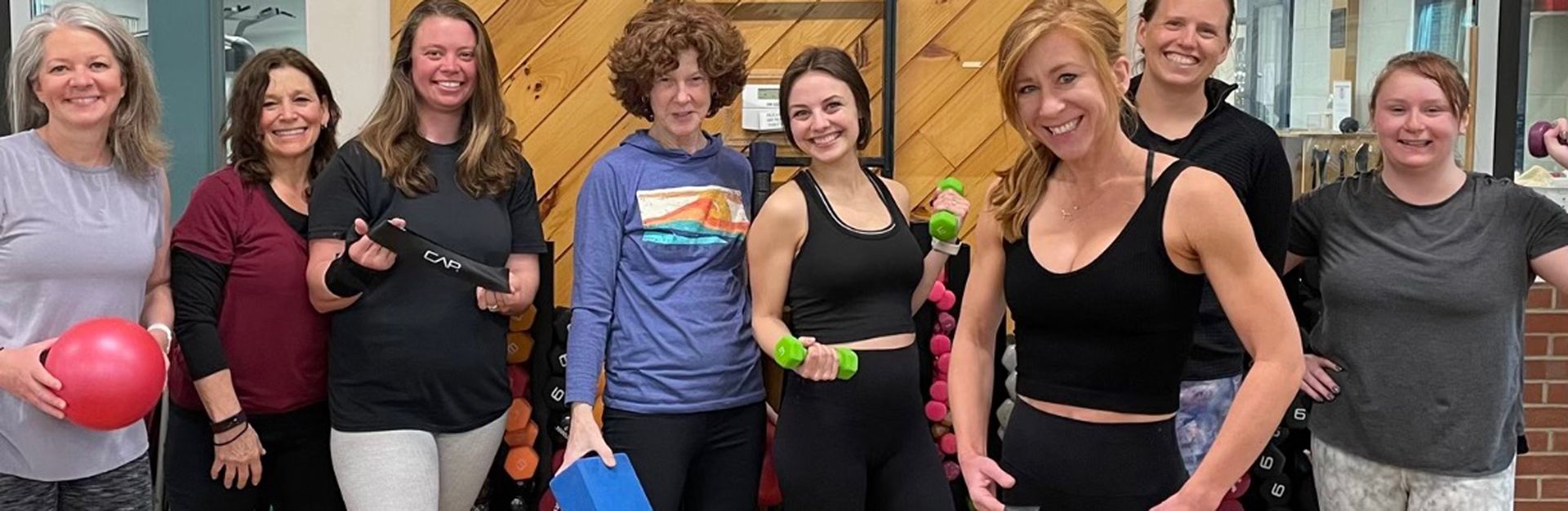
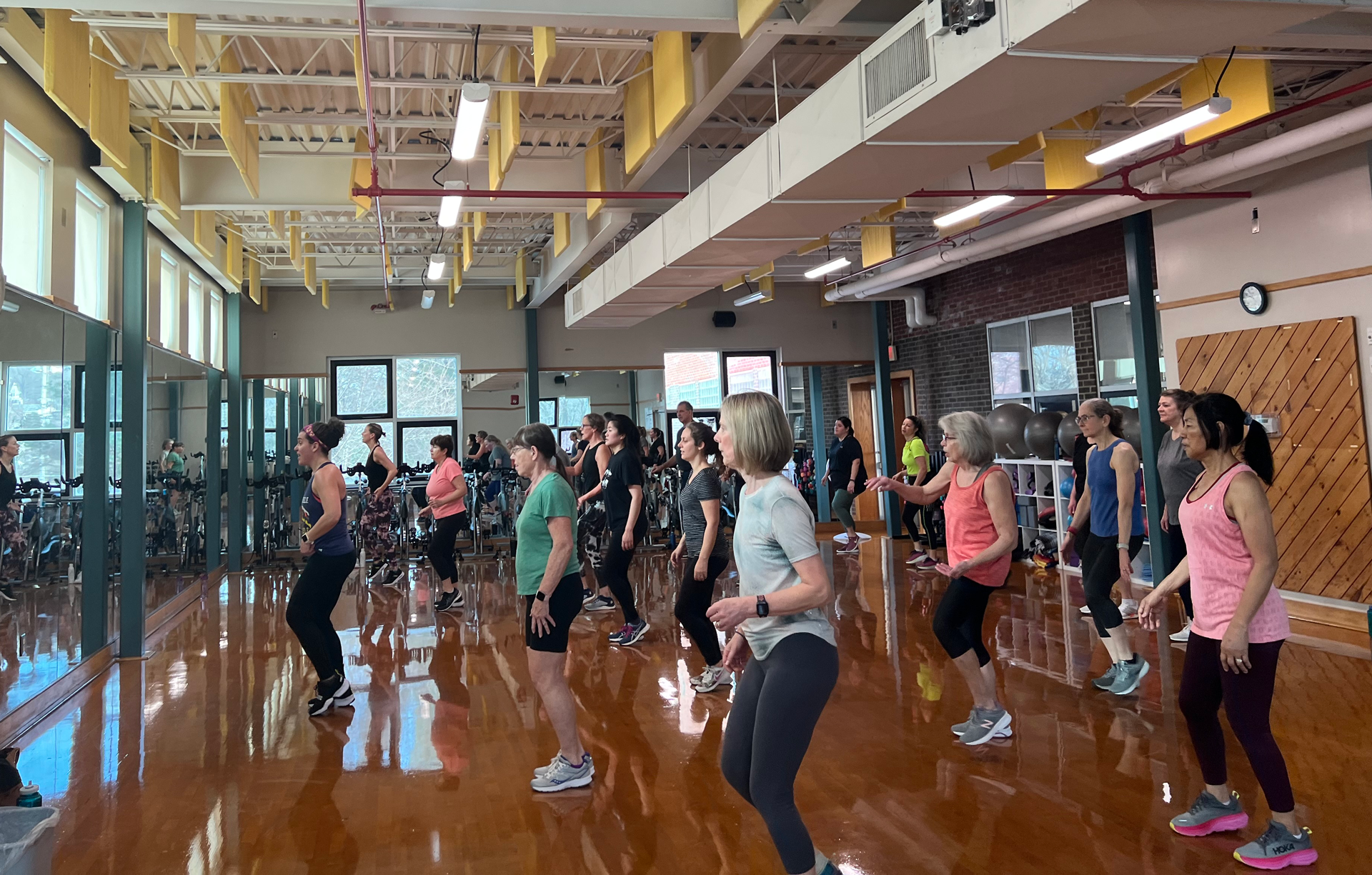
Attending structured group workouts is one of the easiest, most accessible ways to meet neighbors who share your wellness goals. In a class setting, the instructor removes all the guesswork from your routine. You do not have to plan the movements or watch the clock; you simply arrive and participate. Exploring the wide variety of Group Fitness Classes available provides a structured, supportive atmosphere where everyone is working at their own comfortable pace.
It is helpful to introduce yourself to the instructor before your first session. Letting them know you are new allows them to offer helpful modifications and ensure you feel completely comfortable with the equipment. Over time, the strangers in the room become familiar acquaintances, and the studio becomes a place where you feel you truly belong.
Practical Workout Consistency Tips for Long-Term Success
While social support is vital, you also need to organize your daily life to support your new habits. Setting realistic expectations prevents burnout and physical exhaustion. General wellness guidance suggests that starting with two or three moderate sessions per week is far more effective than attempting to exercise vigorously every single day.
Implementing practical workout consistency tips helps cement your routine. Treat your exercise sessions exactly like important medical appointments or work meetings. Write them down in your calendar and protect that time. When you eliminate the need to decide when you will exercise, you remove a major mental barrier.
Having access to comprehensive Fitness & Wellness facilities ensures you have the variety needed to prevent boredom. If you feel too tired for a high-energy cardiovascular class, you can switch to a gentle stretching session or take a quiet walk on a treadmill. Consistency simply means showing up and moving your body, even if the intensity changes from day to day.
Checklist for Building a Sustainable Fitness Habit
To help you transition from temporary motivation to long-term consistency, follow this straightforward checklist. Reviewing these steps ensures you are building a routine that fits smoothly into your daily life.
- Schedule Your Sessions in Advance: Choose two or three specific days and times each week dedicated entirely to movement. Block this time out on your calendar.
- Prepare Your Gear Early: Pack your gym bag, fill your water bottle, and lay out your athletic clothing the night before. Removing these small tasks in the morning makes it much easier to get out the door.
- Commit to a Group Environment: Find one class or group activity that sounds fun and commit to attending it for four consecutive weeks.
- Focus on the Mental Reward: Pay attention to how relaxed, clear-headed, and energized you feel immediately after exercising, rather than looking for immediate physical changes in the mirror.
- Communicate with Your Household: Tell your family or roommates about your new schedule. When the people you live with understand your goals, they can provide additional encouragement and respect your dedicated exercise time.
Overcoming the Intimidation of Getting Started
It is entirely normal to feel a bit nervous when stepping into a new facility or joining a group for the first time. The fear of not keeping up or feeling out of place stops many adults from seeking the community support they need. Remember that every single person in the building, including the instructors, was a beginner at some point in their lives.
Community recreation focuses entirely on inclusion, mobility, and shared health. The goal is never perfection; the goal is simply participation. Give yourself permission to take breaks, to modify movements, and to learn at a pace that feels comfortable for your body. Deciding to explore Membership at CCBA gives you access to an environment that genuinely wants you to succeed and feel welcome.
Celebrate the small victories. Driving to the facility, walking through the doors, and completing your warm-up are all massive accomplishments when you are just starting out. Over time, the anxiety fades, the movements become familiar, and you will find yourself looking forward to the social connection as much as the physical activity.
Frequently Asked Questions
How to stay motivated to workout when my schedule is incredibly busy?
The most effective strategy for busy adults is prioritizing short, highly structured sessions over long, wandering workouts. You do not need to spend two hours at the gym to see significant health benefits. A focused thirty-minute class or a brisk walk provides excellent cardiovascular support.
Additionally, scheduling your workouts in advance removes the daily friction of trying to find spare time. When you block out a specific thirty-minute window on your calendar, you treat the exercise as a non-negotiable part of your day, just like a work meeting or picking up children from school.
What is the easiest way for a beginner to start finding a fitness community?
Group fitness classes are the most accessible entry point for beginners looking for community connection. Classes provide immediate structure, professional guidance, and a room full of people participating in the exact same activity.
Look for classes specifically labeled as beginner-friendly, all-levels, or gentle. Arrive early to introduce yourself to the instructor and the people setting up their equipment near you. Simple conversations before the music starts are the building blocks of lasting fitness friendships.
Do the benefits of working out with others apply to people who are introverted?
Yes, introverted individuals benefit greatly from social exercise environments, often because group fitness provides social presence without the pressure of continuous conversation. You can enjoy the shared energy and motivation of the room while still focusing internally on your own physical effort.
Many introverts find that structured classes are ideal. The instructor does all the talking and provides clear directions, allowing participants to simply follow along. The shared experience creates a sense of belonging that does not require forced networking or small talk.
How long does it typically take to build workout consistency?
While popular culture often claims it takes exactly twenty-one days to build a habit, behavioral science suggests the timeline is much more flexible. For most adults, it takes roughly two to three months of consistent, weekly practice for exercise to feel like a natural, automatic part of their routine.
During these first few months, focus entirely on attendance rather than intensity. Showing up for a light stretching session on a day you feel unmotivated is more valuable for habit-building than skipping the day entirely. Consistency is built through repetition.
Is gym motivation for beginners fundamentally different from experienced athletes?
Yes, the source of motivation is often very different. Beginners typically rely on external motivators, such as a desire to improve health metrics, lose weight, or follow a doctor's recommendation. Because the habit is not yet formed, they require more social support and structured guidance to overcome the discomfort of trying something new.
Experienced individuals have transitioned from external motivation to intrinsic routine. They continue to exercise because they deeply enjoy the psychological benefits, the physical release of stress, and the familiar environment. The goal for any beginner is to use community support to bridge the gap until exercise becomes its own intrinsic reward.
Conclusion
Understanding how to stay motivated to work out is a process of learning what environments best support your personal well-being. While willpower is a helpful starting point, it is the connections we make with others that truly sustain us. By stepping into a group environment, you remove the heavy burden of motivating yourself in isolation.
Embrace the shared energy of community recreation. Use practical scheduling tools to protect your time, lean on the guidance of welcoming instructors, and allow yourself to enjoy the social connections that naturally form when people move together. When you find your fitness community, staying active becomes less of an obligation and more of a deeply rewarding part of your everyday life.
For individuals and families looking for fitness, recreation, and wellness opportunities in Lebanon, NH and the Upper Valley, CCBA offers a range of programs for all ages. Learn more at https://joinccba.org/.