How to Choose a Fitness Class: A Beginner's Guide to Group Workouts
Walking into a community recreation center and looking at a schedule packed with dozens of class names can feel overwhelming. For adults and beginners in Lebanon, NH and the Upper Valley, starting a new exercise routine should be an exciting step, not a confusing hurdle. Knowing how to choose a fitness class is the foundation for building a consistent, enjoyable workout habit.
This guide breaks down common group workout formats so you can feel completely confident walking through the studio doors. Understanding what happens in each class helps you find the right match for your current physical ability and your personal wellness goals. Choosing the right environment ensures that your introduction to group exercise is safe, supportive, and rewarding.
The Value of Beginner Group Fitness Classes
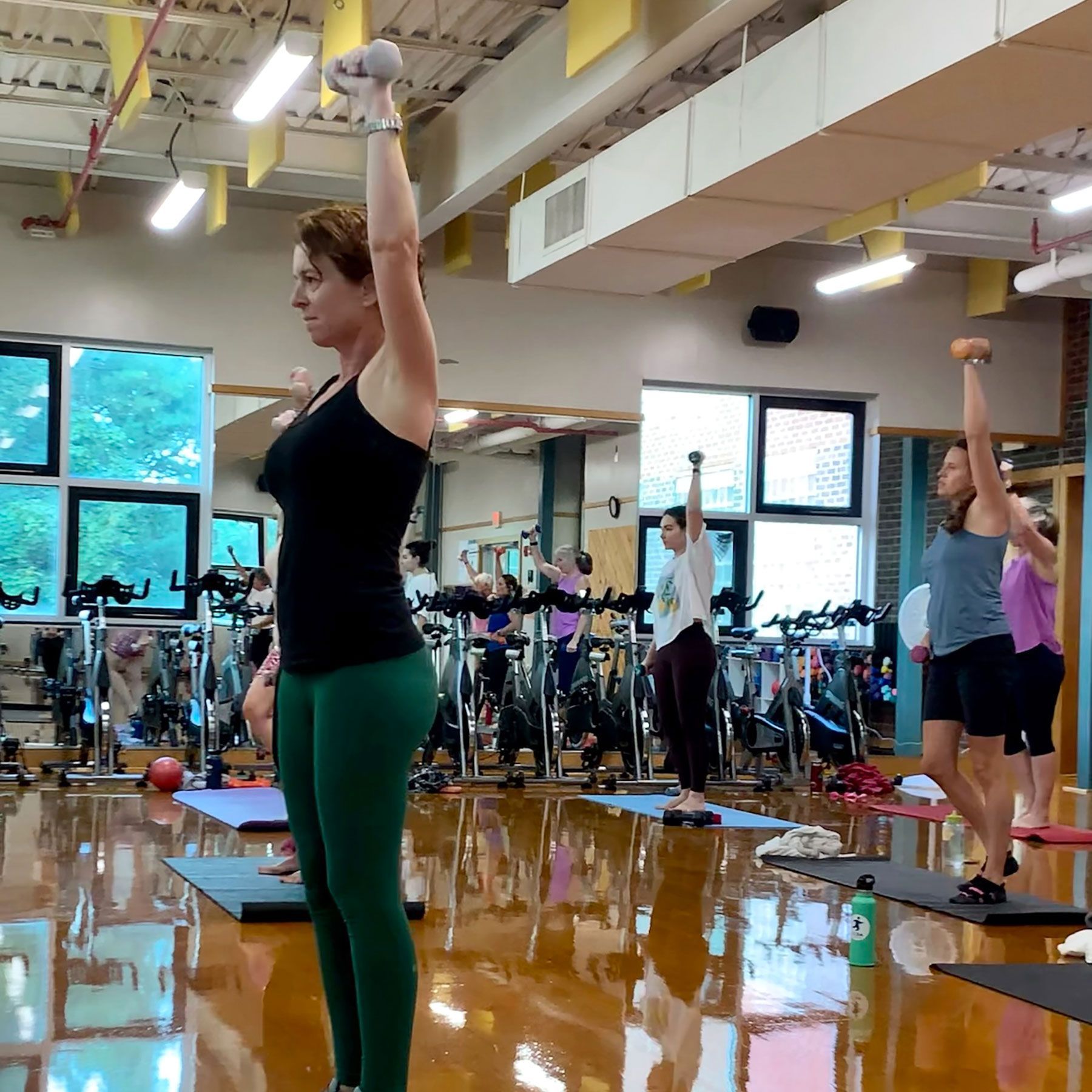
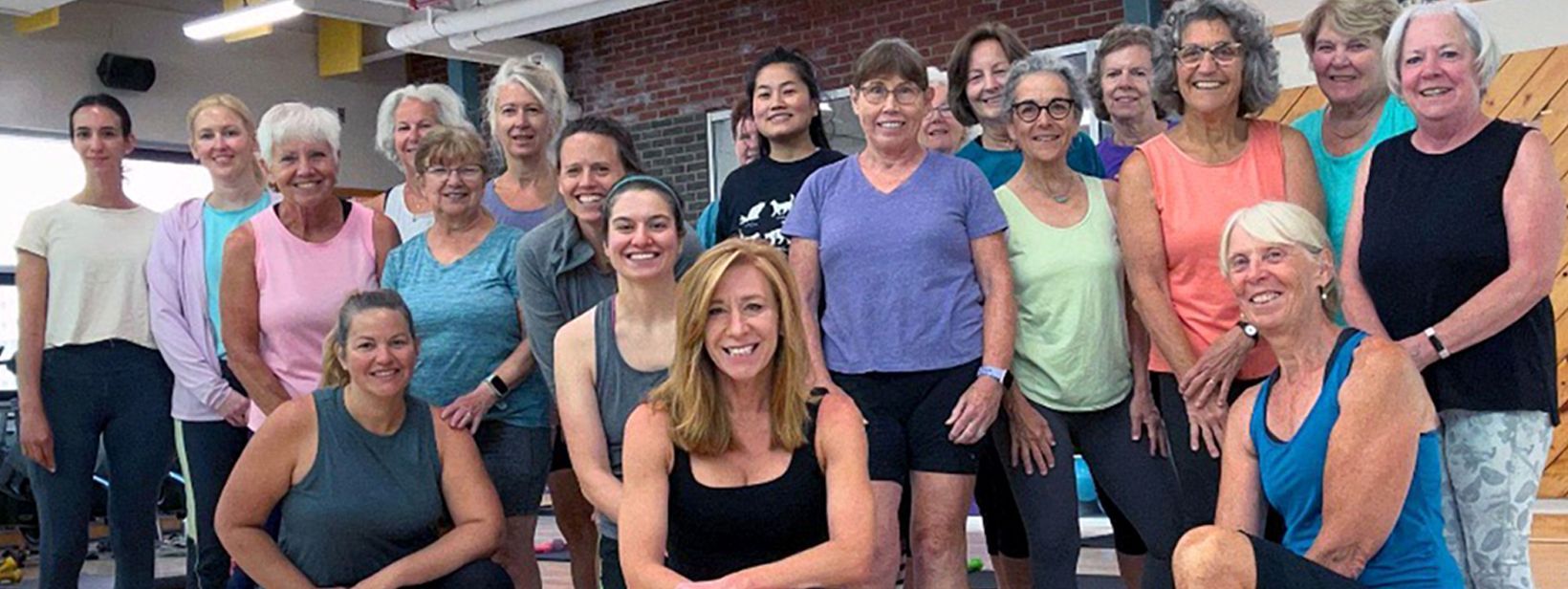
Exercising alongside others provides excellent built-in motivation. When you participate in beginner group fitness classes, you do not have to worry about planning your own workout or pacing yourself entirely alone. A certified instructor guides the entire room through a structured warmup, the main exercise block, and a safe cooldown.
This consistent structure is incredibly helpful for adults returning to exercise after a long break. You can simply show up, listen to the instructions, and focus on moving your body.
Group environments also foster a strong sense of community. Learning new movements alongside your neighbors makes the process of getting active much more enjoyable. The shared energy of the room often helps participants push through challenging exercises safely and return week after week.
Cardio Focused Workouts: High Energy and Heart Health
Cardiovascular classes focus on keeping your heart rate continuously elevated. These workouts improve your respiratory endurance and build the stamina required for daily activities.
Formats like Zumba use rhythmic, upbeat music to guide participants through choreographed movements. The focus is entirely on continuous movement and having fun rather than executing perfect athletic technique. If you enjoy music and dynamic movement, trying Zumba Classes provides a highly energetic, welcoming environment where coordination naturally improves over time.
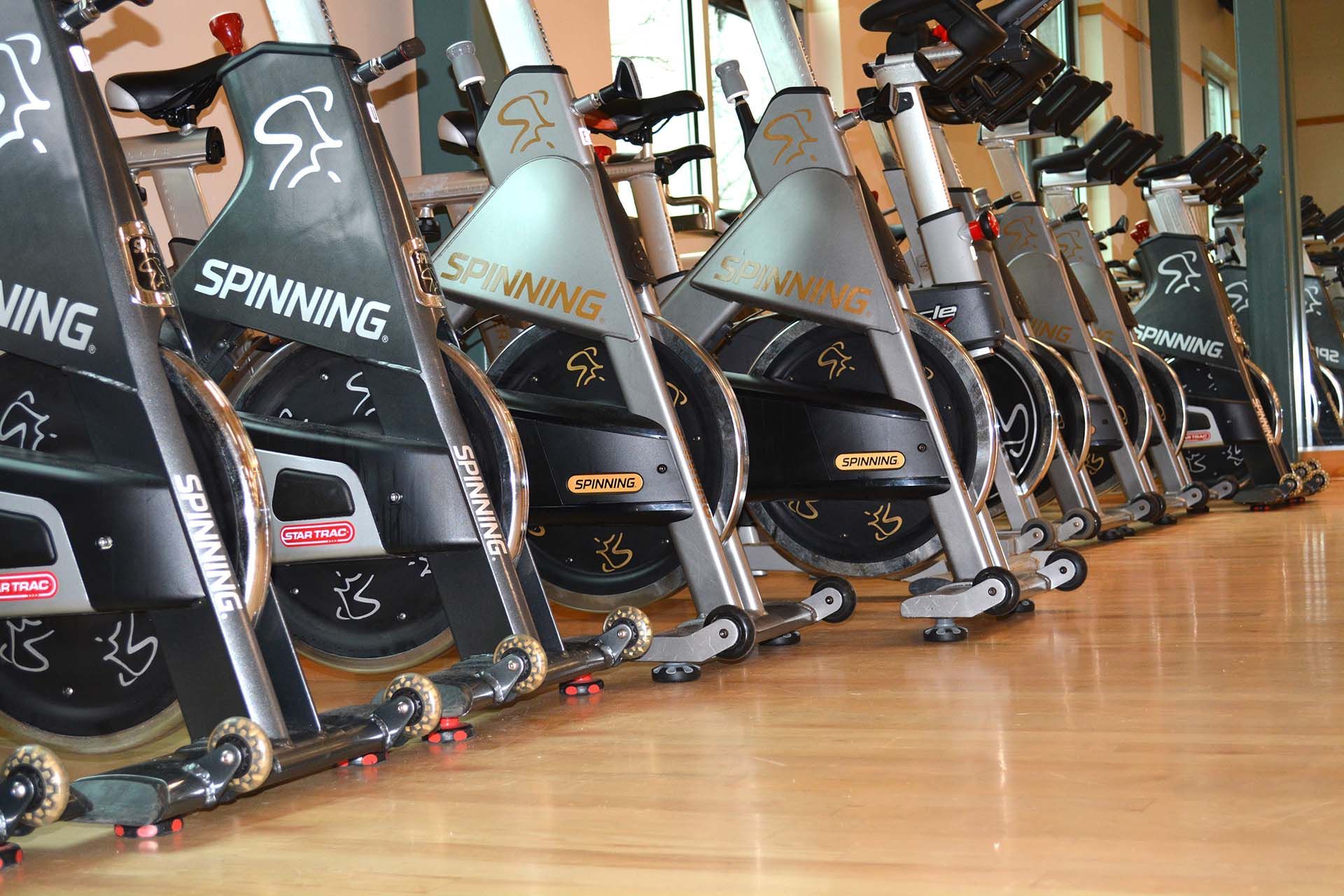
Indoor cycling provides a highly effective cardiovascular workout without any impact on your skeletal joints. Participants ride stationary bikes while an instructor guides the room through simulated hills and flat sprints. Because you control your own resistance dial, this format is highly adaptable. Exploring Indoor Cycling Classes is a great option for individuals looking to protect their knees and hips while still aggressively challenging their heart and lungs.
High Energy Conditioning: HIIT vs Circuit Training
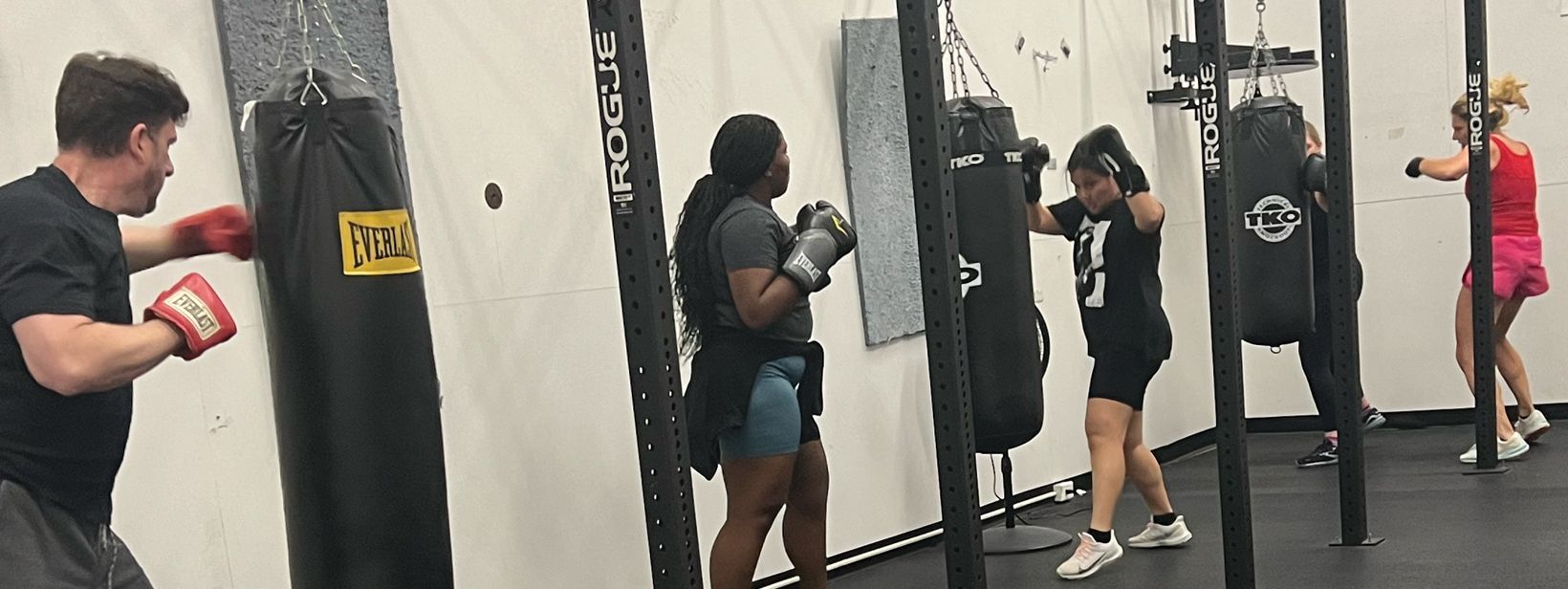
When reviewing a weekly schedule, you will frequently see classes designed to build full-body power. Beginners often wonder about the distinction between HIIT vs circuit training. Both formats elevate your heart rate and challenge your muscles, but they structure the physical effort very differently.
HIIT stands for High-Intensity Interval Training. This format relies on short bursts of maximum effort followed by brief periods of total rest. An example might be performing jumping jacks rapidly for twenty seconds, followed by ten seconds of standing still, repeated several times. The goal is to push your cardiovascular system hard during the active intervals to build explosive stamina.
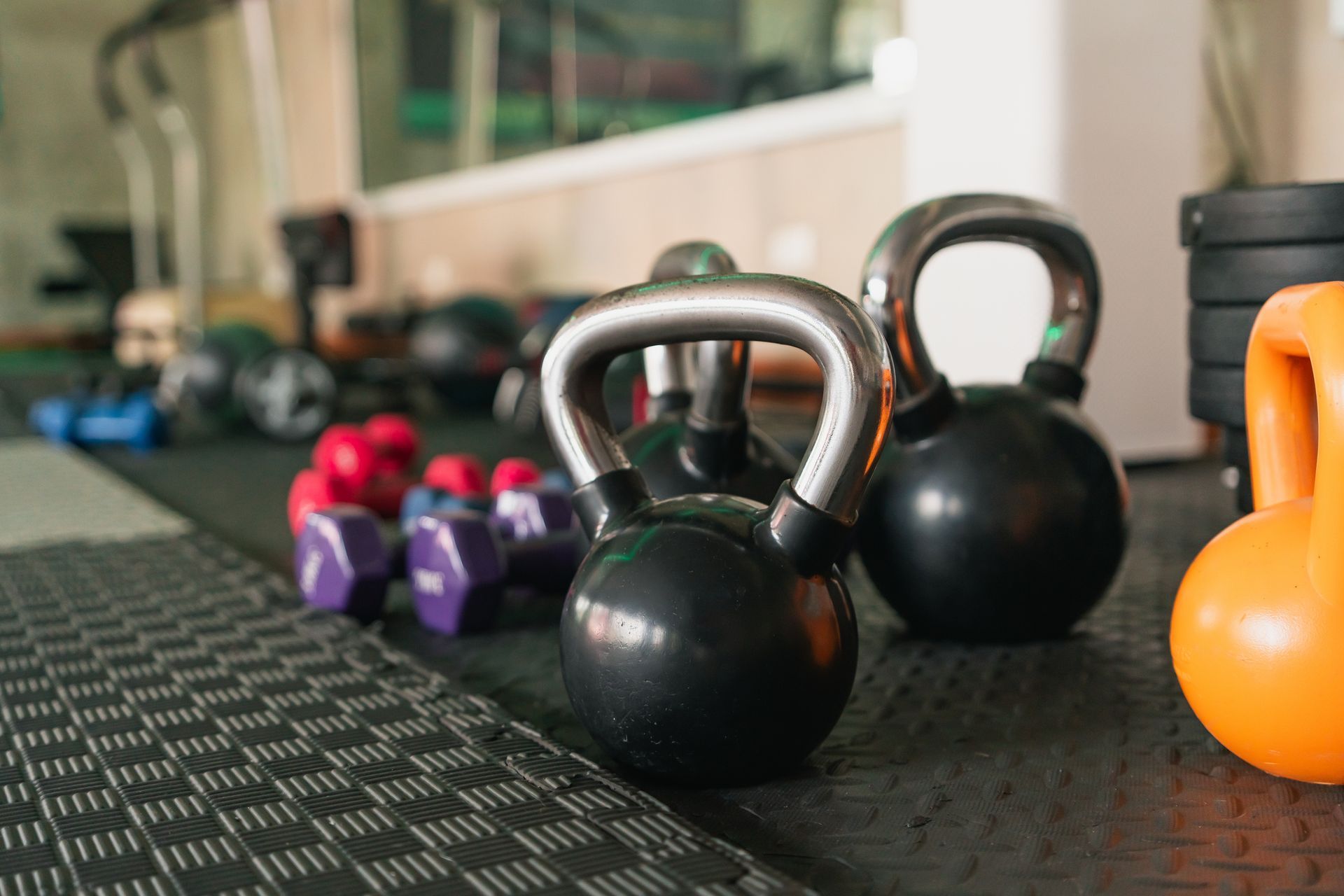
In a circuit class, you move through a series of different exercise stations. You might perform squats at station one, move immediately to push-ups at station two, and lift dumbbells at station three. The rest periods usually happen only after you complete the entire circuit. Circuit training builds muscular endurance and functional strength by teaching you how to use a wide variety of fitness equipment safely.
Mind and Body Integration: The Difference Between Pilates and Yoga
Mind and body classes focus heavily on breath control, flexibility, and core stability. It is very common to ask about the difference between pilates and yoga when deciding where to begin a gentle fitness journey.
Yoga is a practice rooted in connecting physical postures with continuous, deep breathing. The primary goal is often increasing flexibility, improving balance, and promoting mental relaxation. Classes typically flow smoothly from one posture to the next, holding stretches to release deep muscular tension. If you want to increase your mobility and reduce stress, looking at a schedule of Group Fitness Classes for gentle or all-levels yoga is an excellent starting point.
Pilates focuses entirely on core strength, muscular endurance, and fine-tuned physical control. While it incorporates breathing techniques, the primary objective is to build a strong, stable physical foundation. Exercises frequently involve lying on a mat and performing small, highly controlled movements that target the abdomen, hips, and lower back to support healthy posture.
Class Comparison Guide
Reviewing a simple breakdown helps clarify which format aligns with your current physical goals and comfort level.
| Class Format | Primary Focus | Typical Intensity Level | Equipment Used |
|---|---|---|---|
| Zumba / Dance | Cardio endurance, coordination | Moderate to High | Bodyweight |
| Indoor Cycling | Cardio stamina, leg strength | Adjustable (Low to High) | Stationary Bike |
| HIIT | Explosive power, rapid heart rate | High | Bodyweight, light weights |
| Circuit Training | Muscular endurance, full-body strength | Moderate to High | Dumbbells, kettlebells, steps |
| Yoga | Flexibility, balance, stress relief | Low to Moderate | Yoga mat, blocks |
| Pilates | Core strength, spinal stability | Moderate | Mat, light resistance bands |
Identifying the Best Fitness Class for Beginners
The best fitness class for beginners is simply the one that you enjoy enough to attend consistently. When starting out, prioritize classes labeled as "all levels," "gentle," or "beginner." These designations indicate that the instructor plans to offer multiple physical modifications for every single movement.
Arrive ten minutes early to your first session. This allows you to introduce yourself to the instructor and mention that you are new to the format. Instructors deeply appreciate this communication. They will ensure you have the proper equipment setup and know exactly where to stand to see the demonstrations clearly.
Remember that it takes a few weeks to learn the terminology and rhythm of any new workout format. Give yourself permission to take breaks, observe the movements, and simply focus on the joy of moving your body without judgment.
Frequently Asked Questions
How do I know how to choose a fitness class that fits my specific physical needs?
Start by identifying your primary physical goal for the next three months. If you want to improve your cardiovascular health and daily stamina, look toward indoor cycling or rhythmic dance formats. If your goal is to reduce daily aches and improve your flexibility, mind and body classes are the most appropriate starting point.
Reviewing class descriptions online before arriving at a facility also provides excellent guidance. Look for descriptions that explicitly mention offering modifications or welcome participants of all ages and experience levels.
What should a beginner bring to their first group workout?
Arriving prepared helps reduce anxiety before the class begins. A supportive pair of athletic shoes and comfortable, breathable clothing that allows for a full range of motion are the most important items.
You should also bring a filled water bottle to stay hydrated and a small towel to manage sweat. Most community recreation centers provide all the necessary specialized equipment, such as exercise mats, dumbbells, or resistance bands, directly in the studio for you to use.
Do I need to be in shape before taking beginner group fitness classes?
No prior fitness experience is necessary to join a beginner-friendly class. Group fitness is specifically designed to meet participants exactly where they are on their wellness journey. Instructors expect to see a wide variety of fitness levels and mobility ranges in the room.
The instructor's primary job is to provide safe modifications. If an exercise requires jumping, the instructor will demonstrate a stepping alternative that provides the same muscular benefit without the harsh physical impact. You always have the freedom to move at your own comfortable pace.
What is the main difference between pilates and yoga for someone with tight muscles?
While both practices take place on a mat, their approaches to treating muscular tightness differ. Yoga primarily uses static stretching and flowing movements to lengthen muscles, open tight joints, and improve overall physical balance.
Pilates focuses on dynamic flexibility by building deep core strength. The practice strengthens the abdominal and back muscles to properly support the spine during movement. While pilates will improve your mobility, its core objective is building muscular control rather than achieving deep, relaxing stretches.
How do I decide between HIIT vs circuit training if I want to build strength?
If your primary goal is to build muscular endurance and learn how to use fitness equipment, circuit training is generally the better choice. Circuits allow you to spend more time working with physical resistance, such as kettlebells or dumbbells, at a controlled and steady pace.
HIIT is primarily a cardiovascular challenge. While it does engage your muscles, the short, explosive intervals are designed to maximize your heart rate rather than build foundational muscular strength. Beginners looking to build strength safely usually find the pacing of circuit training more accessible.
Conclusion
Understanding how to choose a fitness class transforms a confusing schedule into an exciting menu of healthy opportunities. By learning the fundamental differences between various formats, you can step into the studio with confidence and enthusiasm.
Whether you want to build core strength, increase your cardiovascular endurance, or simply find a welcoming community to keep you motivated, there is a format designed to support your goals. Embrace the learning process, try a few different options, and enjoy the physical and mental rewards of moving your body alongside your community.
For individuals and families looking for fitness, recreation, and wellness opportunities in Lebanon, NH and the Upper Valley, CCBA offers a range of programs for all ages. Learn more at https://joinccba.org/.